Sympathy Gift for a Coworker: What to Give, What to Write, and When
 By Pham PhamNovember 08, 2026
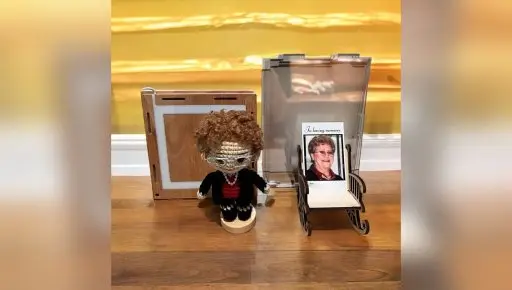
Table of contents
Someone on your team just lost a parent, a partner or a pet, and the office chat is quietly asking the same thing: what do we send? Here is how to choose a sympathy gift for a coworker, what to write, and how to handle the weeks after.
A good sympathy gift for a coworker is simple, sincere and easy to receive. For most teams, a card signed by everyone plus one practical gesture, like a meal delivery or a donation in their loved one's name, is enough. Close work friends can add something personal later. Keep it low pressure and let them lead.
1. What is an appropriate sympathy gift for a coworker?
An appropriate sympathy gift for a coworker matches how well you know them. A team card is right for almost everyone. Something more personal fits a close work friend. Here is a quick way to size the gesture so it feels kind, not awkward.
- You barely know them: sign the team card with one short line. It shows you noticed without asking anything of them.
- Same team, friendly: a team card plus a group gift, such as a meal delivery or a gift card for groceries. Cooking is often the first thing that falls away after a loss.
- Close work friend: a personal note, your time, a small comfort basket, and a keepsake a few weeks later. You know enough about them to choose something that fits.
- Your manager or boss: a group card and, if the team agrees, a donation in their loved one's name. It avoids an expensive gift going up the chain, and a short personal line inside the card is still welcome.
- Someone who reports to you: a personal card, clear information about leave, and flexibility on deadlines. The most useful gift a manager has is breathing room.
If you're not sure where you fall, start smaller. A warm card that arrives on time is never the wrong choice, and you can always follow it with something else. Being kind and normal when they come back to work matters more than anything you could buy.
The loss itself matters too. Losing a parent, a spouse, a child or a pet each lands differently, and a coworker may be grieving someone you never heard about. You don't need to know the details to send a kind card. Use the name of the person they lost if you know it.
Faith and culture shape what feels right, too. In many Jewish families, the closest relatives sit shiva for seven days after the funeral, and food sent to the house is usually more welcome than flowers. Other families have their own customs about visits, colors, food or how soon the funeral happens. If you're not sure, ask a coworker who knows them well, or HR, before you send anything. When you still can't tell, a card, a meal or a donation is a safe choice in almost any tradition.
2. Should the team send one group gift or individual gifts?
A single group gift from the team is usually better than several individual ones. It keeps things simple for the person grieving, who may otherwise feel they owe a dozen thank-you notes, and it lets everyone take part at whatever level feels right.
A few ways to organize a group sympathy gift without making it uncomfortable:
- Pick one person to coordinate. Often a close teammate or the manager. They gather signatures and handle the delivery.
- Make contributions optional and private. An envelope or a quiet online collection works better than a public list of who gave what.
- Choose one main gift. A meal delivery for the week of the funeral, a grocery gift card, a donation to a charity the family named, a small comfort basket, or a plant for their desk.
- Add the card. A real card, passed around and signed, often means more than the gift inside it.
- Check the address and the timing. Ask HR or a close friend whether to send it to their home, and whether the family has a preference about flowers or donations.
If the obituary or funeral notice says "in lieu of flowers," follow it. A donation in their loved one's name, with a short note to your coworker saying the team gave it, is often the gesture that feels most respectful.
2.1 What goes in a comfort basket for a grieving coworker?
A comfort basket for a grieving coworker holds a few small things that make the evenings at home a little easier: a box of herbal tea, a candle with no scent or a very light one, a pair of warm socks, maybe some honey or a few easy snacks. Grief often wrecks sleep and appetite, so the point is quiet care, not luxury. Skip anything strongly perfumed, since a heavy scent can stick to a hard week in someone's memory.
A book or a blank journal can also help some people. Choose something gentle and neutral, without heavy religious language unless you know they'd welcome it, and tuck in a note that says something like "Only if it helps. Pass it on if it's not for you." That one line takes away the feeling that they have to read it.
2.2 What if your coworker works remotely?
When a coworker works remotely or on a hybrid schedule, the gift goes to their home anyway, so the main change is the card. Pass around a paper card by mail if the team is spread out, or collect short messages in one shared e-card so they get them all at once instead of a stream of separate notes. A meal delivery gift card that works in their area travels well, and a short video call is better saved for when they say they're ready to see faces again.
3. What should you write in a sympathy card for a coworker?
In a sympathy card for a coworker, write one or two short, sincere sentences: say you're sorry, use the name of the person they lost if you know it, and offer something concrete. You don't need to sound polished. Plain and warm is enough.
A few lines you can borrow or adjust:
- "I'm so sorry about your mom. Thinking of you and your family."
- "We're holding you in our thoughts. Take all the time you need, and we've got things covered here."
- "I'm sorry for your loss. I remember how you talked about your dad's fishing trips."
- "No need to reply to this. Just know we're thinking of you."
- "I'm so sorry about Max. He was lucky to have you." (for a pet)
A specific memory, even a tiny one, often means the most. If you've heard stories about the person they lost, mention one. If you never met them, a sentence about your coworker is just as kind: "You've been such a steady person for all of us, and we want to be that for you now."
It also helps to take away the pressure to answer. Many people feel they owe everyone a reply, and "no need to write back" is a small gift in itself.
4. What about a condolences gift for a coworker who lost a pet?
A condolences gift for a coworker who lost a pet should be small and personal, like a card that names the pet or a framed photo, because pet loss is real grief that people often feel they have to hide at work. Treating it as a real loss is the kindest thing a team can do.
Many people say they found it harder to go to work after losing their dog or cat than they expected, partly because they felt they weren't allowed to be that sad about "just a pet." A card signed by the team, with the pet's name written at the top, quietly tells them otherwise.
If you need help with the wording, these pet sympathy card messages work just as well from a team. For gift ideas sized for someone you know well, here's a guide on what to give someone who lost their dog.
5. What is a good bereavement gift for a male coworker?
A good bereavement gift for a male coworker is often practical and low key: a meal delivery, a gift card for takeout, help with his workload, or a donation in his loved one's name. A short, direct card usually lands better than a long emotional one.
That isn't true of every man, of course. Grief researchers Kenneth Doka and Terry Martin describe an "instrumental" grieving style, more common among men, where people process loss by doing and thinking rather than by talking it through. In an interview about his work, Doka notes that for these grievers, what helps is often the doing.
So for a coworker like that, an offer to take a project off his plate, or to cover the Friday meeting, may mean more than any object. You might simply say, "I'm sorry about your dad. I can take the vendor calls this week if that helps." Then follow through without making it a big deal.
6. When should you give it, and what about their first day back?
Send the card and any group gift within the first week if you can, and save personal keepsakes for a few weeks later. The first day back at work is its own moment: a quiet, simple acknowledgment helps more than either silence or a crowd.
If the service is public and you feel comfortable, going to the funeral of a coworker's family member is usually appreciated, even for a few minutes. If you can't go, a card that says you were thinking of them that day is a kind substitute. Check the funeral notice for any family wishes first.
The University of Iowa's guidance on supporting a grieving coworker suggests asking what the person needs, checking in over time, and letting them decide how much to share with others. It also notes that grief can affect sleep, focus and mood, and often returns around meaningful dates.
On their first day back, something like "It's good to see you. I'm so sorry about your dad" is enough. Some people want to talk about the person they lost. Others want one normal day of work. Follow their lead, and don't take it personally if they change their mind from week to week.
The weeks after are where a team can really help. A few ideas:
- Quietly share their workload for a while, without making them ask.
- Give them a heads-up before meetings where the topic might come up.
- Note the date in your calendar and send a short message on the first holidays and the anniversary.
- Point them to the Employee Assistance Program if your company has one, once, without pushing.
For managers, that patience is also part of the job. The Grief Recovery Institute estimated in a 2003 study that grief cost businesses just over $75 billion a year in lost productivity, and in Businessolver's 2017 Workplace Empathy Monitor, 92% of employees said they'd be more likely to stay with a company that empathized with their needs. A grieving person who feels supported doesn't have to hide how hard some days are, and that is a relief for them as much as for the team.
A month after the funeral, most messages have stopped. A card or a small gift then tells your coworker you haven't forgotten, at exactly the moment many people feel forgotten. If you're still deciding on that later gift, this guide to a gift for someone who lost a loved one breaks ideas down by who they lost.
7. Which sympathy gifts should a team avoid?
Avoid sympathy gifts that create work, assume beliefs, or put your coworker on the spot. Most gifts given with care are received with care, but a few tend to land the wrong way in a workplace.
- Large flower arrangements sent to the office. They can turn their desk into a memorial they didn't ask for. Send flowers home, or ask first.
- Religious items, unless you know they'd welcome them.
- Strong scents. Heavily perfumed candles, lotions or bath products can be too much for someone who isn't sleeping well.
- Anything that needs a reply or a decision, like a sign-up sheet they have to manage.
- Phrases like "everything happens for a reason" or "at least" in the card, even meant kindly.
- Collecting gossip. Don't ask how it happened. If they want you to know, they'll tell you.
8. Questions people often ask
8.1 How much should a team spend on a sympathy gift for a coworker?
There's no rule, but a common range is about $15 to $50 for a gift from one person and about $50 to $200 for a gift from the whole team, often gathered as $10 to $25 from each person who wants to join. These are typical amounts, not expectations. What matters is that everyone who wants to take part can, without pressure, and that the card everyone signed goes with it.
8.2 Should you send a sympathy gift to their home or to the office?
Send it to their home. Many people take several days off after a death, so a gift at the office can sit on an empty desk, and opening it in front of colleagues can feel exposed. Ask HR or a close coworker for the address rather than asking the person directly. The card can be signed at work and mailed with the gift.
8.3 What if you don't know the name of the person they lost?
You can write a kind card without the name. "I'm so sorry about your mother" or "I'm sorry for the loss of your brother" is warm and specific enough. If a close coworker or the funeral notice can tell you the name, use it, because hearing the name of the person they lost often means a lot.
8.4 Is it too late to send a sympathy gift?
It's rarely too late. A card that arrives a month or two after the funeral often lands when the other messages have stopped. Just say it plainly, something like "I've been thinking about you and your dad," without apologizing at length for the delay.
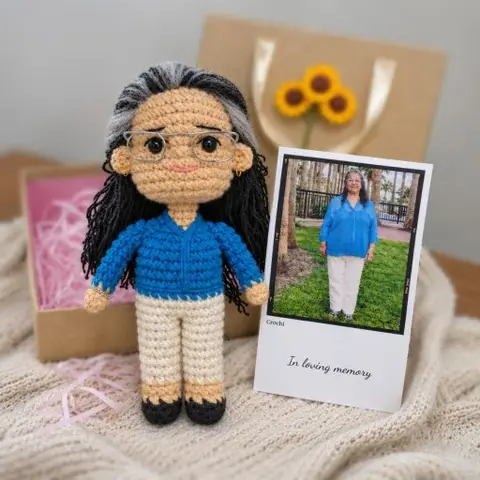
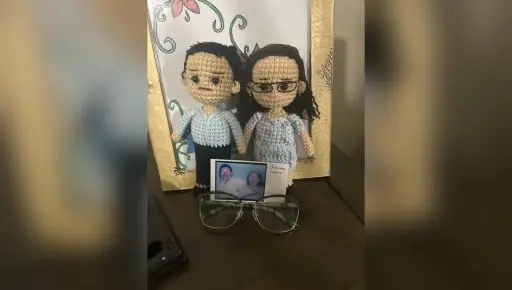
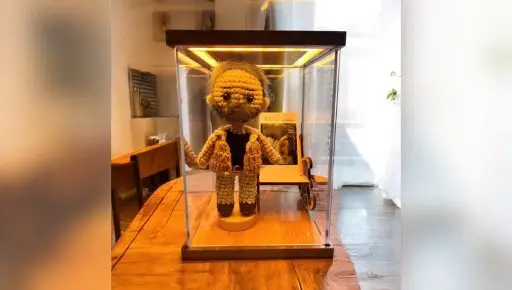
For a close work friend, a keepsake a few weeks later can be a gentle way to show you remember the person they lost. Crochi makes handmade crochet dolls from your photo, like a crochet doll of a loved one, with a small card of up to 80 characters printed exactly as you write it. Ask a family member for one clear, full-length photo, add notes for the artist about hair color, glasses or a favorite jacket, and enter your coworker's home address at checkout to ship it straight to them. Every doll comes with a free preview photo emailed to you first, so you can ask for one change for free before it's sent. It takes about 10 to 13 days to make, plus a day or two for you to check the preview, and 7 to 12 days to ship, so it fits best as the later gesture, after the card and the meal. Here's how to choose a photo for a custom crochet doll, if you're not sure which one to ask for.
Whatever your team chooses, showing up with a few kind words is what your coworker will remember. Take good care.