What to Write in a Pet Sympathy Card: Gentle Words for a Friend Who Lost Their Pet
 By Pham PhamNovember 07, 2026
Table of contents
Someone you care about just lost their dog or cat, and you're holding a blank card. Here's what to write, with sample messages you can borrow, what to leave out, and when to send it.
When you're deciding what to write in a pet sympathy card, keep it short and personal. Use the pet's name, share one memory or one thing you noticed about them, and say you're thinking of your friend. Two or three honest sentences are enough. You don't need to fix anything or explain the loss.
1. What to write in a pet sympathy card
A good pet sympathy card does three things: it names the pet, it remembers something real about them, and it offers support. That simple order works for almost any card, whether you knew the pet well or only through photos.
- Name the pet. "I'm so sorry about Biscuit" lands very differently from "sorry for your loss." The name tells your friend you know exactly who is missing.
- Add one memory or detail. The way she waited at the window, the time he stole a sandwich off your plate, how happy he looked in their beach photos. If you never met the pet, write what you saw from the outside: "I could tell how much she was loved."
- Offer support, then sign off. "Thinking of you," "I'm here if you want to talk," or a small concrete offer like "I'll bring dinner on Thursday." End with "Love," "With you," or just your name.
Put together, a full card can be as simple as this: "I'm so sorry about Biscuit. I'll always remember how he leaned on everyone's legs at your barbecues, like he was making sure we all felt welcome. I'm thinking of you, and I'm here if you want to talk. Love, Jen." That's four sentences, and it says everything it needs to.
Why does this work? People who lose a pet often feel others expect them to bounce back quickly. A card that uses the name and one true detail says the loss is real, and that the pet mattered to someone besides them. That's usually what your friend needs to hear most.
If you're writing to a whole family, address everyone, and mention the person the pet was closest to if you can: "I know Sam and Rocky were inseparable."
2. Sympathy messages for the loss of a dog
A sympathy message for the loss of a dog works best when it reflects that one dog: their age, their habits, how they fit into the family. Here are pet sympathy card messages you can use as written or change to fit.
- For a dog who lived a long, full life: "Thinking of you and Max. He had so many good years, and every one of them was with you. What a lucky dog."
- For a loss that came too soon: "I'm so sorry about Luna. She should have had more time with you. I'm here, for whatever you need."
- For a dog you knew well: "I'll miss the way Cooper met me at the door like I was his favorite person. I know he saved the real version of that for you."
- For a dog who was someone's shadow: "I keep picturing Duke right at your heels, the way he always was. I'm sorry the house has to get used to being without him."
- When they had to make the decision at the end: "You gave her a good life and a gentle goodbye. That was love, all the way to the end."
The last one is worth a note. Many people feel guilt after choosing euthanasia, even when it was clearly the kind choice. A gentle line that honors the decision, without discussing it, can be a real comfort.
3. Sympathy messages for the loss of a cat or another pet
A sympathy message for the loss of a cat should be just as warm as one for a dog. Cat owners sometimes feel they have to explain why it hurts so much, and a card that takes the loss seriously quietly removes that weight. Humane World for Animals notes that grief for a pet often goes unacknowledged by the people around us.
- "I'm so sorry about Pepper. She chose you, and cats don't do that lightly."
- "The house must feel so quiet without Oliver on the windowsill. Sending you a big hug."
- "Nineteen years with Smokey. That's a whole life of mornings together. I'm sorry, and I'm glad she had you."
The same formula works for rabbits, birds, horses and every other animal. For a horse: "I know the barn won't feel the same without Copper. He was lucky to be loved by you for so many years." For a small pet a child loved: "Peanut had the best life, with someone who took such good care of him."
4. What to write to a coworker, a child, or someone you don't know well
For people you're less close to, keep the message shorter and simpler, and don't pretend to be closer than you are. A brief card still matters, because it shows the pet was noticed.
- A coworker: "I'm sorry to hear about Bear. I know how much he meant to you. If you need a quiet day, I'm happy to cover for you."
- A neighbor: "I was sorry to hear about Rosie. I always loved seeing her at the window when I walked by."
- A child: "Dear Emma, I'm sorry about Biscuit. He was lucky to have a friend who loved him as much as you did. It's okay to feel sad. Love, Aunt Kate."
- An older friend who lives alone: "I know how much company Lucky was for you every day. I'll call on Sunday, and I'd love to hear your favorite stories about him."
For a group card at work, ask one person to write a short message at the top that uses the pet's name, so the card doesn't fill up with "sorry for your loss" only. For children, simple and honest words are best; Cornell's pet loss support team reminds families that kids understand loss differently from adults.
5. "Run free" and "until we meet again": short lines to close the card
Short closing lines like "Run free" or "Until we meet again" are phrases many people look for, and they can mean a lot. Use them only if you know your friend finds comfort in that kind of language, for example if they've mentioned the Rainbow Bridge or their faith.
Here are a few short lines you can add under your message:
- "Run free, sweet boy."
- "Until we meet again, Daisy."
- "Forever a good dog."
- "Fly high, little one."
- "Loved every single day."
If you're not sure what your friend believes, a line like "Loved every single day" or "Forever a good dog" is a safe choice, because it's about the pet and the love, not about where they are now. Many people looking for an "until we meet again" dog poem end up happier with one short line like these, written by hand, than with a long printed verse.
6. What should you avoid writing?
Avoid anything that makes the loss smaller, rushes the grief, or turns the card toward you. Most hurtful lines come from good intentions, so it's worth a quick check before you seal the envelope.
- "It was just a dog" or "just a cat," even said gently.
- "At least they're not suffering anymore," which can sound like "so stop being sad."
- "You can always get another one," which treats a family member as replaceable.
- Guesses about how long grief will take. Everyone's timeline is different.
- Long stories about losing your own pet. One line like "I remember how hard it was when I lost Bella" shows understanding; more than that shifts the focus.
Phrases about where the pet is now, like "they're in a better place," are best left out unless you know your friend shares that belief. When in doubt, "I'm so sorry, and I'm thinking of you" is always safe.
7. When and how should you send it?
Send the card within the first week or two if you can, but a late card is still welcome. In fact, a card that arrives after the first wave of messages often means more, because by then the house has gone quiet and most people have stopped asking.
A handwritten card is best when you can manage it, since many people keep them. If you live far away or the news just reached you, a text or message is okay too; what matters is that the words arrive. If you only found out months later, you can still write: "I just heard about Lola, and I'm sorry I didn't reach out sooner."
A short note on the anniversary, the pet's birthday, or the holidays shows the pet hasn't been forgotten. A reminder in your phone makes this easy. If the pet's birthday is coming up, here are a few gentle heavenly birthday gift ideas to go with the card. If the loss is recent and December is coming, the first Christmas without their dog can be especially hard, and a card then can mean a lot.
If your friend seems to be struggling, you could also tuck in a short list of pet loss support hotlines and free online groups they can reach from home.
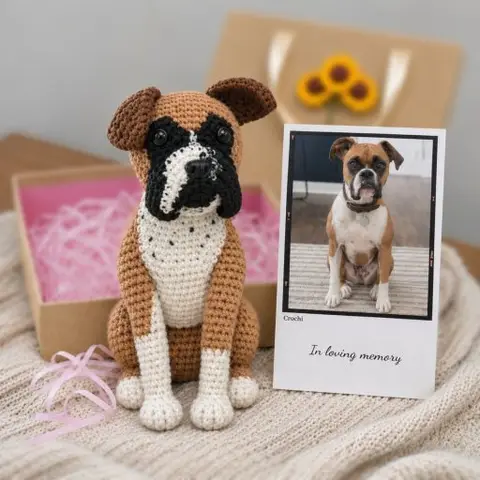
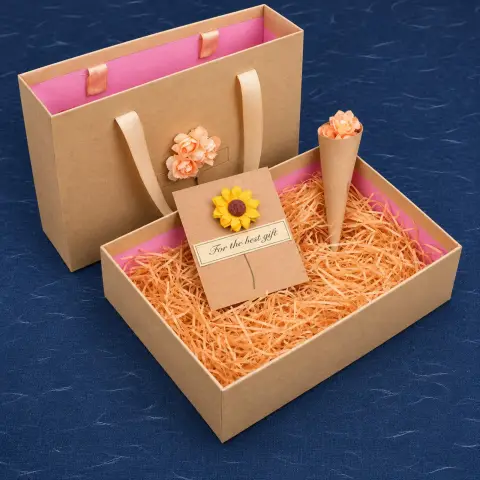
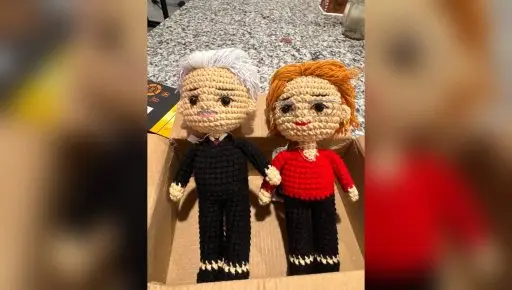
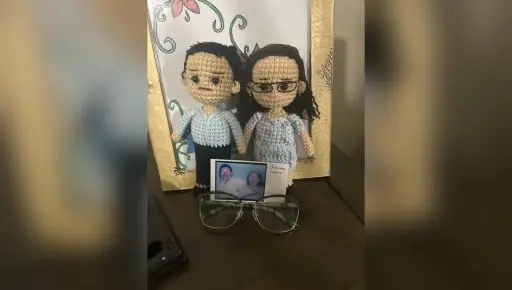
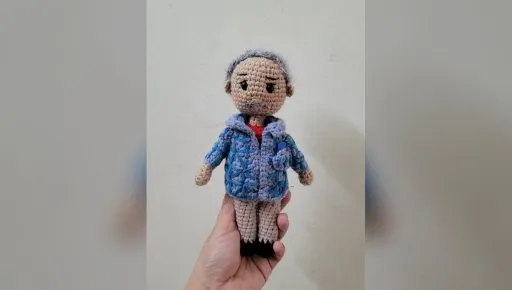
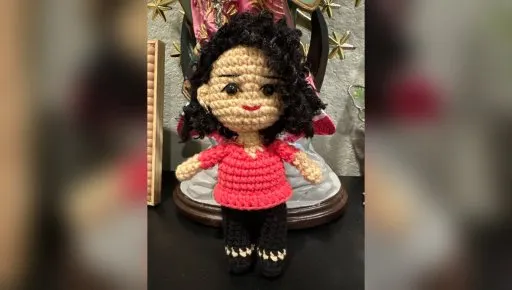
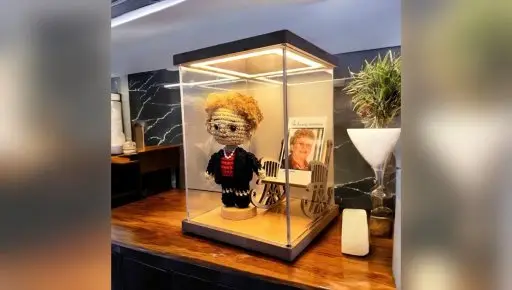
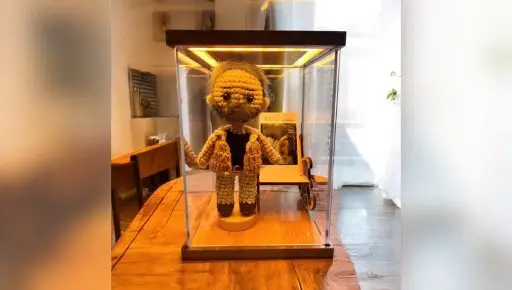
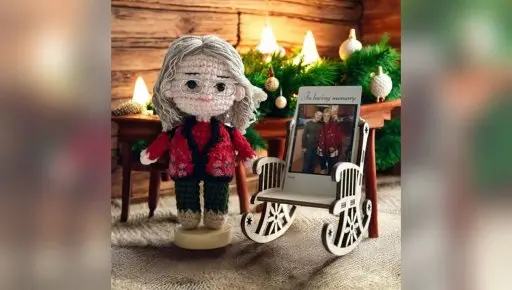
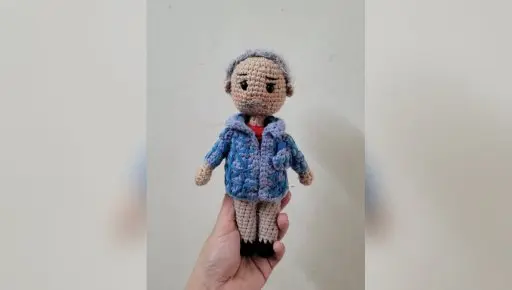
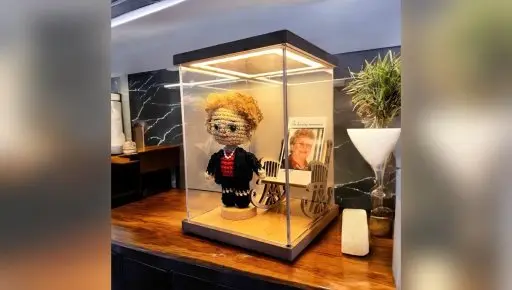
If you'd like to send something along with the card, keep it small and personal; here are gift ideas for someone who lost their dog. For a keepsake, Crochi makes handmade crochet dolls from your photo, dogs and cats included, with a printed card that carries your message exactly as you type it, up to 80 characters. You upload one clear photo of the pet and add their fur colors and spots in the notes for the artist. Those little details are what help the crochet pet look like them. You also get a free preview photo of the finished pet before it ships, so you can ask for a change if something isn't quite right. A short line like "Run free, Max. Forever a good boy." fits well.
8. Questions people often ask
8.1 How long should a pet sympathy card message be?
Two to four sentences is plenty. A short message with the pet's name and one real memory means more than a long paragraph. If you have more to say, a phone call or visit is a better place for it.
8.2 Should I mention how they lost their pet?
Usually not. Your friend may not want to relive it, and the card should be about the pet's life. If they chose euthanasia, a gentle line like "You gave them a gentle goodbye" is enough.
8.3 How do I sign a pet sympathy card?
"Love," "Thinking of you," "With you," or simply your name all work. If the card is from your family, add the kids' names, and your own pets' names too if the animals knew each other.
8.4 Is it okay to send a pet sympathy card to someone I barely know?
Yes. A short, kind card from a coworker or neighbor is almost always appreciated, because it shows the pet was noticed. Keep it brief and simple, and skip any personal memories you don't have.
There's no perfect wording. If the card has the pet's name, one honest line and a little warmth, your friend will feel it. Take good care.