Gift for Someone Who Lost a Loved One: What Helps, and When
 By Pham PhamNovember 07, 2026
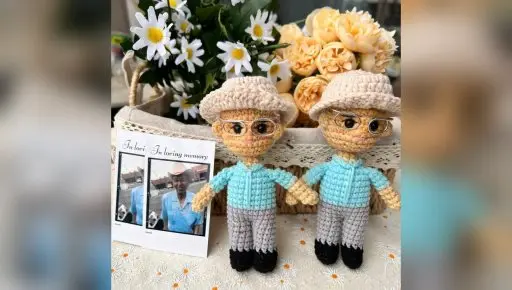
Table of contents
Someone you care about just lost a person or a pet they loved, and you want to send more than a text. You may not be sure what fits, or whether a gift is even welcome right now.
The best gift for someone who lost a loved one is small, personal and well timed. In the first week, send a card with the name of the person they lost, plus a meal or practical help. A few weeks later, give a keepsake tied to that one person, like a framed photo or something made from their picture.
1. When should you give a gift after a loss?
Give a card and practical help in the first week, and save a keepsake for a few weeks later or for a date that matters. Card first, gift later.
In the first days, the person grieving is often planning a service and answering the same questions again and again. A keepsake can get lost in that blur. A card, a dinner they don't have to cook, or someone to walk the dog is what they can take in.
A few weeks later, the house gets quiet. The visitors go home, the casseroles stop, and many people say this is when the loss starts to feel real. MedlinePlus, from the US National Library of Medicine, notes that how long grief lasts can depend on how close someone was to the person they lost and whether the loss was expected. That's one reason support that keeps coming back over months often means more than one big gesture.
A simple timeline many families find kind:
- The first week: a sympathy card with the name of the person they lost, plus food or help with one task.
- About a month later: a short note or a call, and a small keepsake if you planned one.
- The first birthday, anniversary and holidays: a card, a memory shared out loud, or a keepsake that brings them into the day.
- The one year mark: a message that says you remember the date. One line is enough.
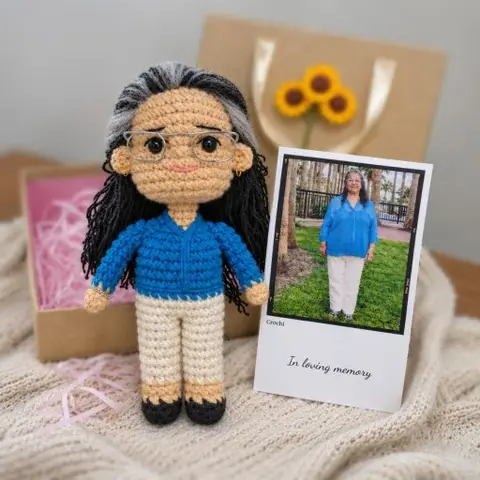
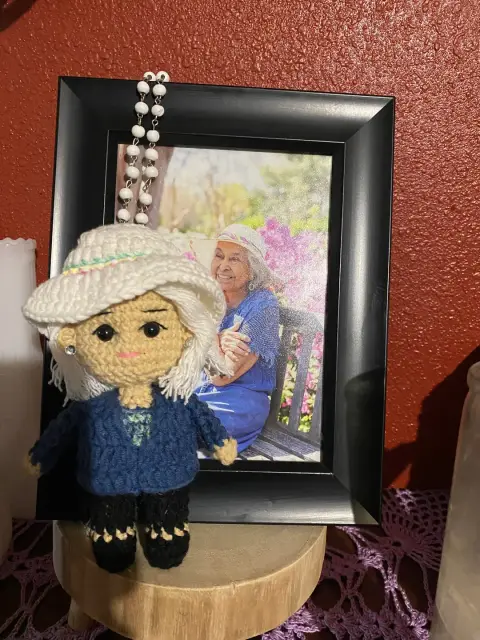
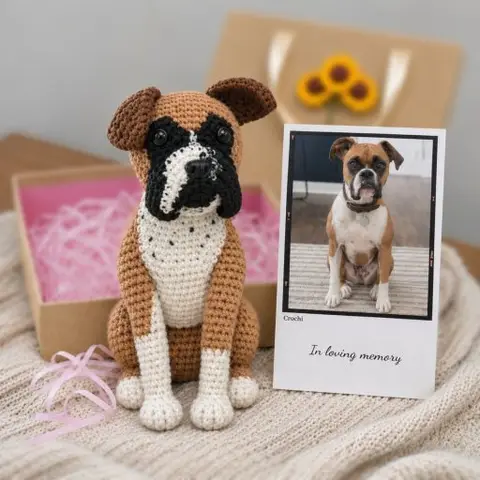
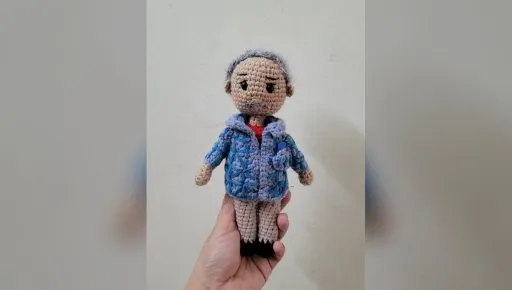
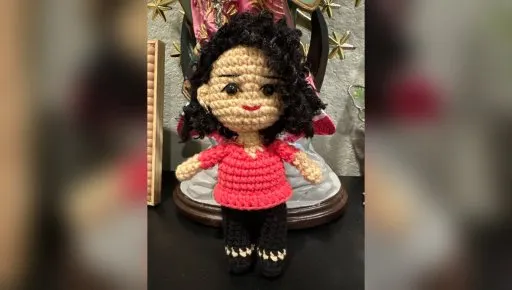
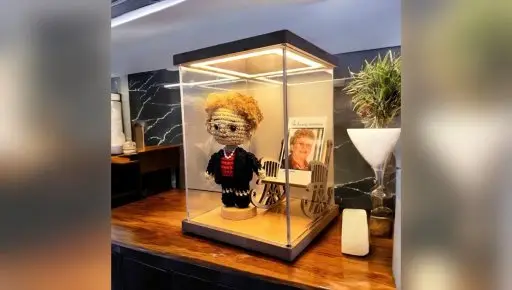
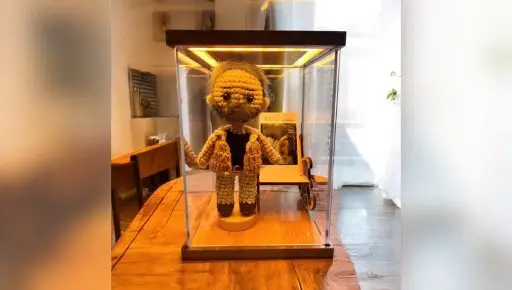
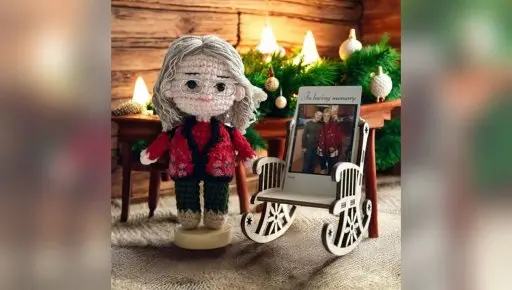
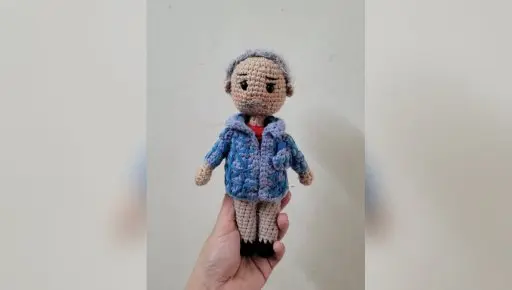
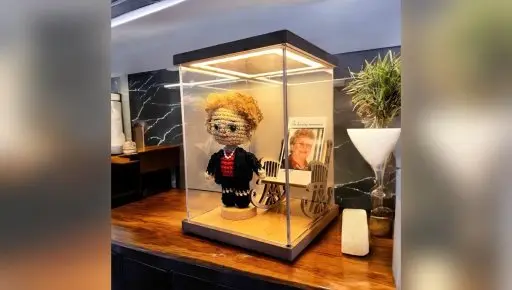
Memorial gift ideas line up with those stages fairly naturally. In the first weeks, practical things help most: a meal or a food delivery gift card, help with one task like the yard or school pickup, or a comfort gift such as a soft throw, tea or a candle, which suits a friend who lives far away or isn't ready for a photo on the shelf yet. A few weeks or months later, a framed photo, a guided grief journal with gentle prompts, or an in loving memory gift made from a photo, like a portrait or a handmade doll, has room to land. An ornament with their name fits the first holiday season, and a donation in their name can be given any time, especially to someone who doesn't want more things in the house.
When you can't decide between two ideas, choose the one with their name or face on it. That detail is what makes a sympathy gift feel chosen for them.
How close you are matters too. For a coworker or a neighbor, a card, a meal or a donation is the right size. A personal keepsake fits a close friend, a sibling or the family. If you don't know how your friend feels about reminders around the house, ask someone close to them first.
How much should you spend? There's no expected amount. A simple framed photo often means more than an expensive gift that has nothing to do with the person they lost, so spend what feels comfortable for how close you are.
It's never too late. A gift that arrives months after the funeral is often the one people remember, because by then most cards have stopped, and a note like "I've been thinking about your dad this week" is welcome at any point.
If your friend isn't ready for a reminder on the shelf yet, that's okay. A card asks nothing of them, and the keepsake can wait until they are.
2. A gift for someone who lost a loved one, by who they lost
The right gift depends on who died, because each loss leaves a different empty space. Below is a short starting point for each one, with a full guide linked in every section.
2.1 When they lost their mother
A gift after the loss of a mother usually works best when it holds something only she had: her handwriting on a recipe card, her garden, her favorite color, her face on an ordinary happy day. Many mothers kept the family calendar and the holiday traditions, so a gift that carries one of those forward can mean a lot. For ideas sorted by stage, see this guide to a memorial gift for loss of mother, and this one on what to give someone who lost their mom in the first week.
2.2 When they lost their father
For the loss of a father, look for what was only his: his handwriting, his watch, his tools, his cap, the chair nobody else sat in. A quiet gift often suits a dad better than a big gesture. A shadow box for his things, or a memory book of stories from his friends, is a good place to start. The full list is in this guide to a memorial gift for loss of father.
2.3 When she lost her husband
A woman who lost her husband often lost a partner in every daily task too, from the bills to the yard. Practical help with the jobs he used to handle is a real gift in the first weeks. Later, a photo of the two of them together, or a card on their wedding anniversary, shows you remember they were a couple. More ideas, sorted by date, are in this guide to a memorial gift for loss of husband.
2.4 When he lost his wife
A man who lost his wife may tell everyone he's fine and never ask for help. A specific plan works better than an open offer: a standing breakfast, freezer meals sized for one, company for the hard phone calls. A keepsake of her does best where he spends his day, on the desk, the workbench or the side table. Read more in this guide to a memorial gift for loss of wife, which also covers partners who never married.
2.5 When they lost a dog, a cat or another pet
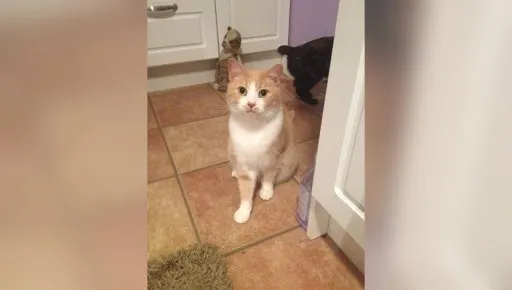
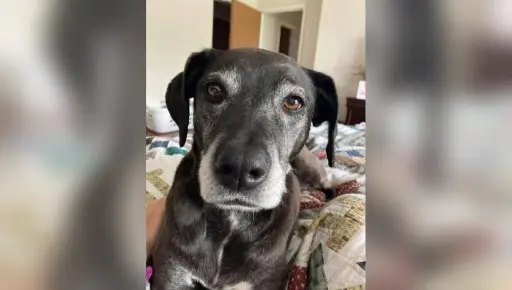
For many people a pet was family, and losing a dog or a cat can hurt as much as any other loss. People around them sometimes treat it as smaller, so a real card that uses the pet's name is a kind gift on its own. Later, a framed photo, a frame for the paw print or an ornament with the pet's name all work well. Start with what to give someone who lost their dog.
2.6 When they lost a grandparent, a sibling or a friend
The same ideas carry over to any loss. Use their name, choose something that could only be about them, and keep it small. Children in the house may want something of their own to hold: a framed photo of them with grandpa, a picture book about loss written for their age, or something soft to keep on the bed. Ask a parent first, since they know what their child is ready for.
3. What do you write in a sympathy card?
Write the name of the person they lost, one short memory, and a line that asks nothing back. Two or three sentences are enough. A sympathy card doesn't have to fix anything. It only has to show that you remember.
A few lines you can borrow or change:
- "I'm so sorry about your mom. I still think of her laugh at your birthday dinners."
- "Thinking of you and Dave today. No need to write back."
- "Biscuit was the best greeter on the whole street. I'll miss him too."
- "I don't have the right words. I just want you to know I'm here."
For a short message that goes with a keepsake, fewer words read better: "Forever our Joe." "Mom, always in her garden." "Still dancing in the kitchen."
Some phrases tend to sting even when meant kindly: "everything happens for a reason," "at least they're not suffering," or "I know how you feel." A memory of the person says more. If the loss was a pet, here's more help with what to write in a pet sympathy card.
4. Which sympathy gifts are better to skip?
Skip gifts that rush the grief, create work, or assume beliefs your friend may not share. Almost any gift chosen with care is received with care, but a few can land the wrong way.
- A new pet, or a gift card toward one. That choice, and its timing, belong to them.
- Anything they have to finish, like a blank scrapbook, during an exhausting month.
- Sayings about where people go when they're gone, unless you know those words comfort them.
- Self-help books about grief in the first weeks. Your friend may want one later, and can ask. A guided journal is different: it gives no advice, only a few gentle prompts, and it fits better once a few weeks have passed.
- Large items that need space or care, like a big statue or a garden bench, unless you've checked first.
None of this has to be done just right. A gift that misses a little still tells them you were thinking of the person they lost.
5. How do you get a photo without asking them, and send the gift to their home?
Ask someone close to them for the photo, and have the gift shipped straight to their address with a note inside. You rarely need to ask the grieving person directly.
- Ask a sibling, a grown child or a close friend. They often know which photo the family loves most.
- Look at what the family has already shared. The photo on the memorial program, in the obituary or in a post the family shared often shows the person the way everyone remembers them. Check with a family member before using it, if you can.
- Pick a clear, everyday photo. Look for a face you can see well, good light and their usual clothes. A photo from before an illness is often the kinder choice.
- Get the address the same way. The person who sent the photo can usually confirm the mailing address, and tell you if your friend is staying with family for a while.
- Let one person know a package is coming. A quiet heads-up means the box won't sit on the porch, or get opened by someone else on a hard day.
- Put a short note inside. Say who it's from and why you chose it, so the gift doesn't arrive as a mystery.
If you only have one old photo, or one from the shoulders up, it can still work. Describe what they usually wore in a note to the maker. Here's how to choose a photo for a custom crochet doll, including what to do when there's only one picture.
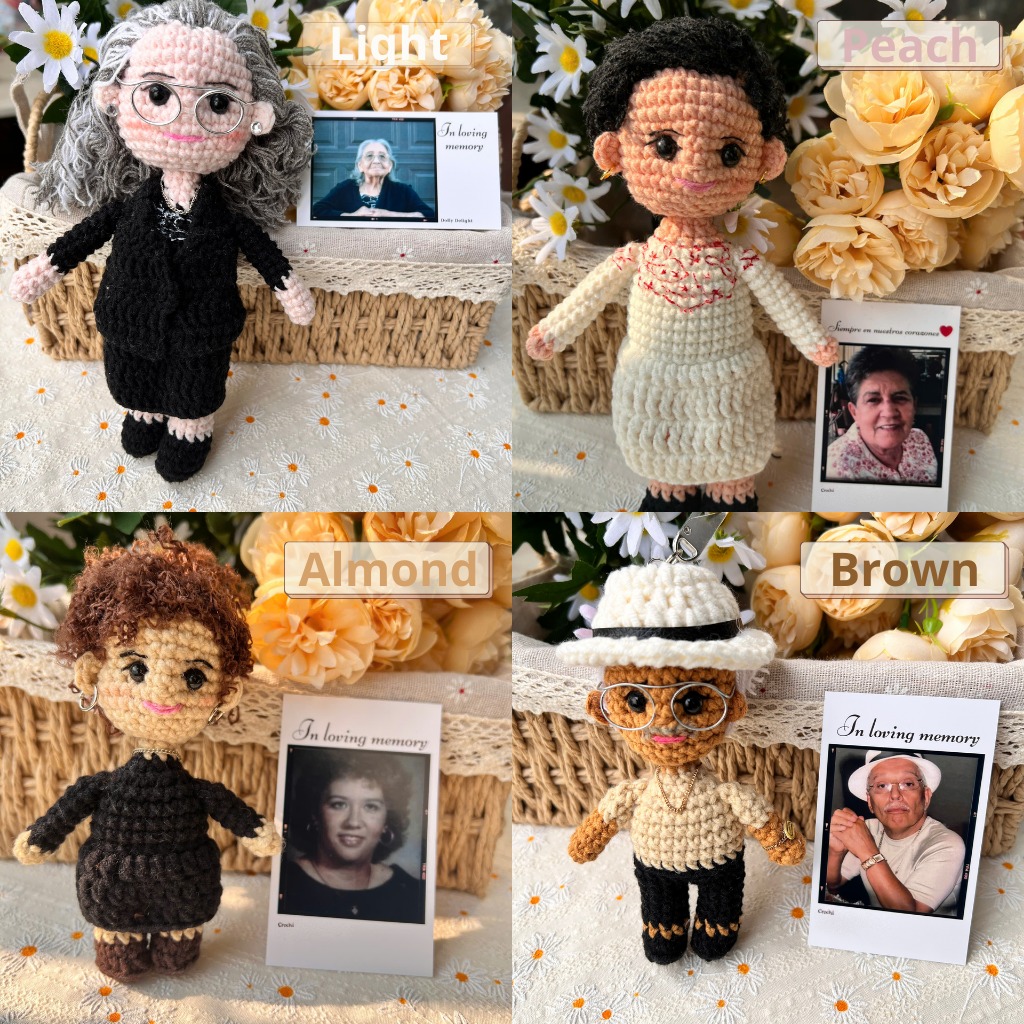
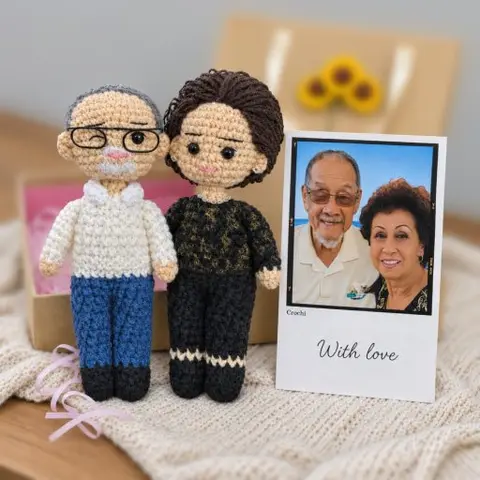
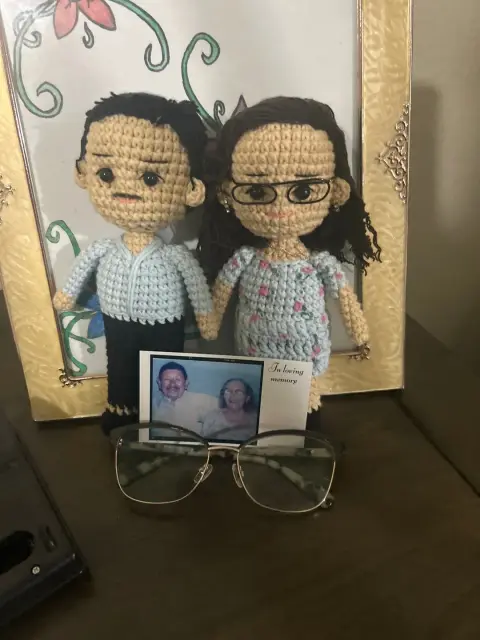
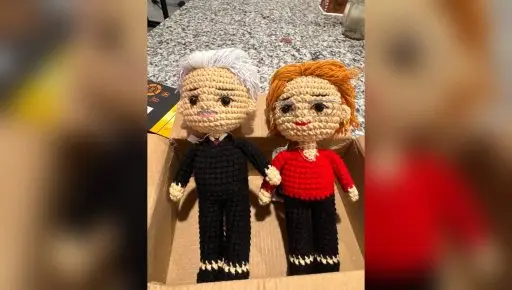
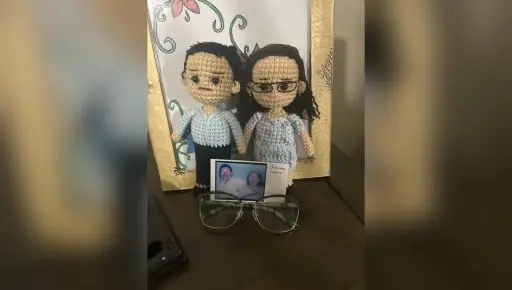
If you'd like to give a keepsake made from a photo, Crochi makes handmade crochet dolls from your photo: a memorial doll of a parent, a spouse or a grandparent, couple dolls for two people who belong together, and dogs and cats too, along with other pet memorial gifts. You upload a photo with the order and can reply to the order email with more. The card prints your own words, up to 80 characters, exactly as you type them. Enter your friend's address at checkout if the doll ships straight to them. Every doll, person or pet, comes with a free preview photo by email before it ships, so you see the finished doll first, and if something isn't quite right, we'll change it once for free. Each doll is made to look like them from your photos, not as an exact copy. Making takes about 10 to 13 days, plus a day or two for you to check the preview, and shipping 7 to 12 more, so a doll fits best as the later gift.
6. Questions people often ask
6.1 Are flowers a good sympathy gift?
Flowers are a kind gesture for the service or for the first few days at home. The trouble is timing: most bouquets arrive together and wilt just as the visitors leave. If you'd like something that lasts, send a potted plant or a meal, or send flowers on the first anniversary, when few other people will.
6.2 What if you don't know what they'd like?
When you don't know what they'd like, send food or offer one specific job, like mowing the lawn on Saturday or picking up groceries on Tuesday. Add a note that says there's no need to reply. A practical gift fits almost anyone, and it doesn't ask them to make a single decision.
6.3 Should the gift be about the person they lost, or for the one grieving?
Both can work. A gift about the person they lost tells your friend they aren't forgotten, while a gift for your friend, like a standing coffee date or a meal, tells them they aren't alone.
6.4 What is an in loving memory gift?
An in loving memory gift is a keepsake that honors someone who is no longer here, usually with their name, their photo or a few words about them. Common choices include a framed photo, an engraved ornament, a memory book and a handmade figure made from their picture.
There's no single right gift. If you say their name, show up in the first week, and come back later with something small, you've already given your friend what helps most. Take good care.