Christmas Gifts for Someone Who Lost a Loved One: What Helps This Year
 By Pham PhamNovember 08, 2026
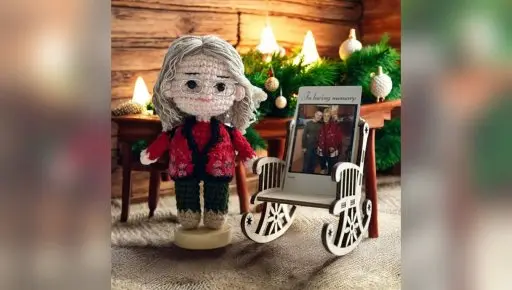
Table of contents
Someone you care about is facing their first Christmas since a loss in the family, and you want to give something that helps instead of hurts. Here's how to choose, what to give, and how to say it.
The best Christmas gifts for someone who lost a loved one do one of two things: they make the season lighter, or they make room for the person who is missing. Practical help, a candle or ornament with their loved one's name, a framed photo, or a small keepsake all work. Keep the note short and say the name.
1. What are good Christmas gifts for someone who lost a loved one?
Good Christmas gifts for someone who lost a loved one are small, personal and easy to receive. Most grieving people don't need more things. They need fewer tasks, permission to feel what they feel, and proof that someone else remembers too.
Here are ideas that tend to land well, from simple practical help to memorial Christmas gifts that keep their loved one part of the season:
- Help with the holiday work. Offer to put up the tree, wrap gifts for the kids, address the cards or bring a dish to the family dinner. The tasks the person they lost used to handle are often the heaviest.
- A dinner on a hard night. A delivered meal or a gift card for a local restaurant, sent for an evening in mid December when the house is quiet.
- A comfort basket for December nights. A soft throw blanket, warm socks, a box of herbal tea and an unscented or lightly scented candle. Grief is tiring, and the holidays add late nights, travel and small talk on top of it. A basket like this suits someone who is worn out, and someone who would rather spend the season quietly at home, because it asks for nothing except rest.
- A candle for their loved one. Something to light on Christmas Eve or at the table, with a short note that says who it's for.
- An ornament with their name. It goes back on the tree every year, so the person stays part of the holidays without anyone having to say a word.
- A framed photo you took. A picture of their loved one that the family may not have, from a party, a trip or an ordinary afternoon.
- Their recipe, printed or framed. A dish they always made, written out for the family cook, so it can stay on the holiday table.
- A small memory book. A few pages of photos and short stories from friends. Brown University Health suggests making a book of photos and keepsakes about the person they lost, especially when there are children in the family (Brown University Health on grief during the holidays).
- A gentle book or a calm app. A short book about grief, with brief chapters they can read on a sleepless night, or a few months of a meditation app such as Calm or Headspace. Choose a book that keeps them company rather than one that explains grief or tells them how to feel. If you can, read a few pages first, and skip anything that promises the pain will be over by a certain point.
- A living memorial. A hard-to-kill houseplant, like a snake plant or a ZZ plant, that can sit by a window and grow through the winter. Some families also like a tree planted in their loved one's name, which needs no care at all from them. A card about it can go out in December, and the tree goes in the ground in spring. If they have pets, check that the plant is safe for cats and dogs before you buy it.
- A donation in their name. To a charity the person cared about, with the family told in a card. A good fit for someone who doesn't want more things in the house.
- Memorial jewelry. A small pendant or bracelet with their fingerprint or handwriting, something a spouse, a child or a sibling can wear every day. Custom pieces take time, so order in November.
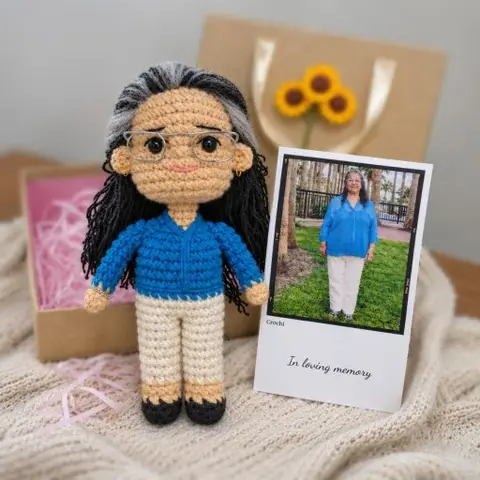
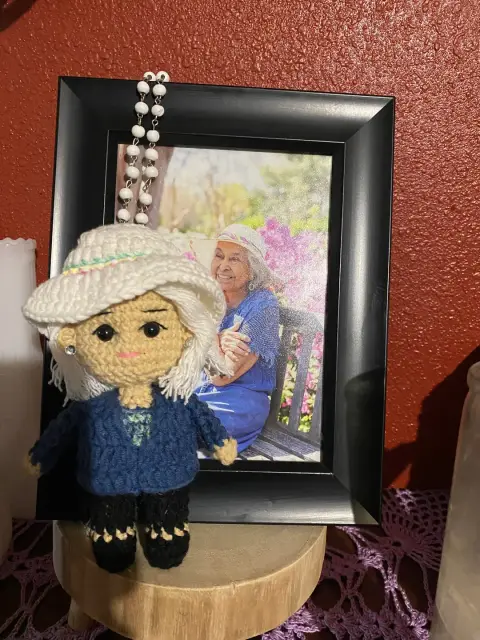
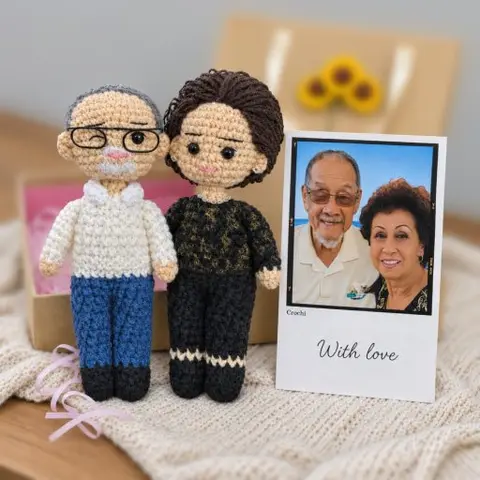
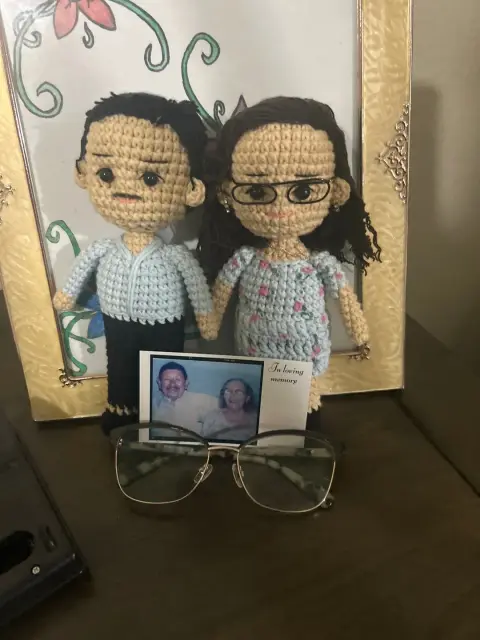
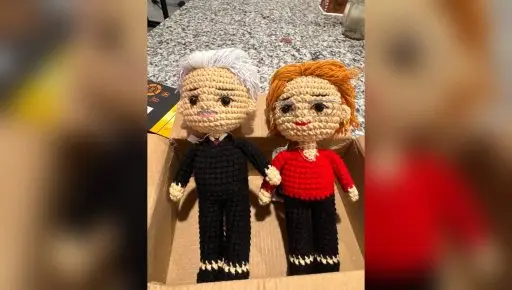
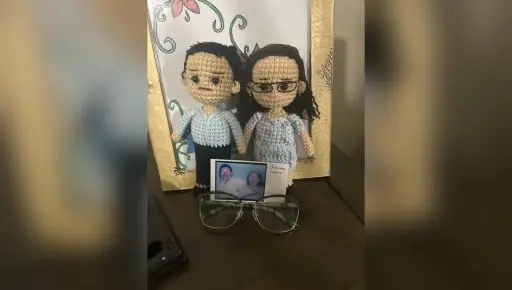
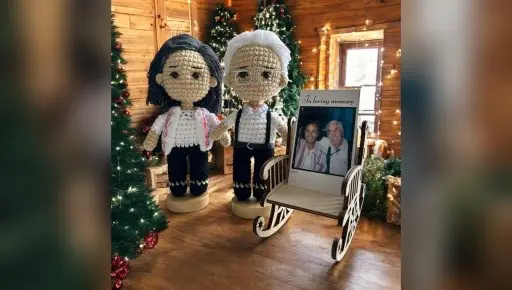
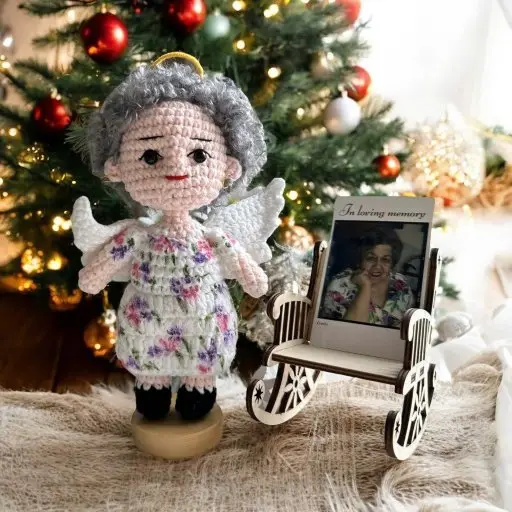
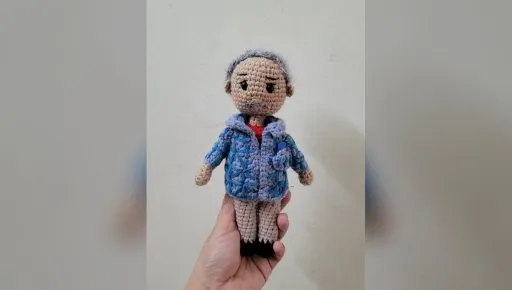
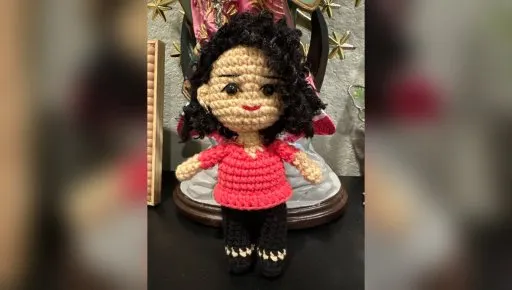
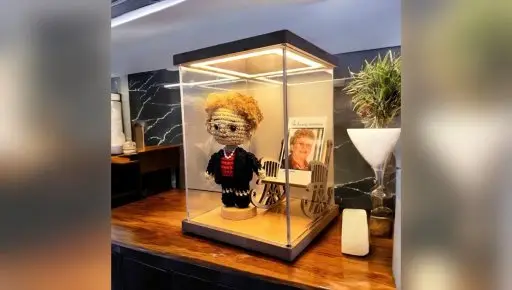
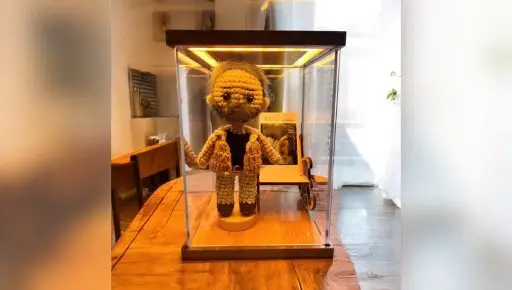
- A keepsake made from a photo. A painted portrait, a pillow, or a handmade figure of the person or pet. These take longer, so order by late November or give them as a January gift.
If you're stuck between two ideas, choose the one with their loved one's name or face on it. That detail is usually what makes a gift feel chosen for this family, this year.
Christmas gifts in memory of loved ones don't have to be expensive to matter. A twelve dollar ornament with the right name on it can mean more than anything in a gift guide.
Some families also like a small "empty chair" ritual, like a candle or a photo at the place where the person used to sit. If you know the family well, you could offer to bring the candle, so nobody has to plan it.
2. Why are the holidays so hard after a loss?
The holidays are hard after a loss because every tradition has an empty place in it. The chair at the table, the stocking nobody fills, the recipe only Mom knew how to make. Joy is everywhere around them, and it can make the missing feel louder.
The National Council on Aging makes a point worth keeping in mind as a gift giver: it's okay to change traditions or create new ones to honor the person they lost, and pretending to be happy can do more harm than good (NCOA tips for grief during the holidays). A thoughtful gift gives the family room to do exactly that, without asking them to explain.
That's also why a big, cheerful present can feel off this year. Your friend may love you for it and still not be able to enjoy it. A quieter gift says something different: I know this Christmas is different, and I'm here anyway.
3. Should you mention their loved one at Christmas?
Yes, in most cases you should mention their loved one at Christmas. Many grieving people say the hardest part of the holidays is that everyone avoids the name. Hearing it, in a card or at the table, tells them the person still counts.
You don't need a speech. "I've been thinking about your dad a lot this month" is enough. If they want to talk, listen. If they don't, let it be one sentence and move on to something ordinary.
The exception is when the family has told you they'd rather keep things light this year. Some people need one day where they don't have to carry the loss in public. A gift with a quiet note, opened later, respects that.
4. How do you choose a gift based on who they lost?
The right Christmas gift depends on who the person lost and how close you are. A few patterns that help:
- Someone who lost a spouse. Practical help matters most: the jobs their partner always did, like driving to family events or putting up lights. A keepsake of the two of them together can come later. Here's more on a memorial gift for loss of a husband and for loss of a wife.
- Someone who lost a parent. Their recipe, a framed photo, or an ornament with "Mom" or "Dad" on it. These two letters for the season itself may help too: first Christmas without Mom and first Christmas without Dad.
- Children who lost a grandparent. Something they can hold or hang themselves: an ornament they pick out, a soft keepsake, a photo for their room.
- Someone who lost a pet. An ornament with the pet's name, or a framed photo. The holidays without a dog or cat by the tree are harder than people expect, as this piece on the first Christmas without a dog explains.
- Someone who wants a quiet Christmas alone. Some people skip the gatherings the first year, and that's a reasonable choice. Send something for the quiet: a comfort basket, a gentle book, a meal delivered on Christmas Eve, and a card that says there's no need to reply. Let them know the invitation stays open without asking them to answer it.
- A coworker or neighbor. A card with the person's name and a small practical gift, like a meal or a candle, is the right size.
When you're unsure how close is close enough, start with the card. You can always add a keepsake in January, when most people have stopped checking in.
5. When should you give it, and what should the card say?
Give a Christmas gift for someone grieving in early or mid December, not on Christmas morning. An earlier gift lets them decide when to open it, and a memorial ornament or candle needs a few days to find its place before the holiday.
For the card, keep it to two or three lines and use the name. A few you can borrow or adjust:
- "Thinking of you and of Grandpa Joe this Christmas."
- "For your tree, so Sarah is part of it this year too."
- "No need to write back. Just wanted you to know I remember."
- "Light this on Christmas Eve, for your mom."
If you live far away, mail the gift with a card inside the box, not taped to the outside, so the words arrive with it. A short phone call the week of Christmas can matter as much as the gift itself. If they don't pick up, leave a kind message and say there's no need to call back.
Avoid lines that rush them toward feeling better, like "time heals" or "at least you have the kids." A short, honest line is kinder than a long one that tries to fix something that can't be fixed.
6. Which Christmas gifts should you skip this year?
Skip gifts that ask the grieving person to be cheerful, to do work, or to make decisions. Most gifts given with care are received with care, but a few can land the wrong way this season:
- Big party invitations with pressure to come. Invite, but make it easy to say no.
- Gifts that were clearly meant for the couple or the whole family as it used to be, unless you've thought about how they'll feel opening it.
- Anything that creates a task, like a photo book they have to fill or a plant that needs daily care.
- Sayings that assume beliefs about where their loved one is now, unless you know they find comfort in them.
7. Questions people often ask
7.1 Is it okay to give a Christmas gift to someone who is grieving?
Yes. A small, thoughtful Christmas gift is usually welcome, because it shows you know this year is different. Keep it simple and personal, and pair it with a short card that names the person they lost.
7.2 How soon after a loss is a memorial gift appropriate?
A card or practical help is right at any time. A memorial keepsake can come weeks or months later. If the loss was very recent, help with the holiday itself usually matters more than a keepsake.
7.3 What do you give a grieving family at Christmas?
A grieving family often appreciates something for everyone: a meal, an offer to help with the tree or the shopping, and one ornament or candle in their loved one's name. Children may want something small of their own.
7.4 Can I give a memorial gift after Christmas instead?
Yes. January can be a lonely month, when cards stop and life expects everyone to move on. A gift that arrives then tells the family you haven't forgotten.
If you'd like something they can keep for years, Crochi makes handmade crochet dolls from your photo, of a loved one or a couple, with a short card printed exactly as you write it. You send one clear photo, and the notes for the artist hold what a photo can miss, like their hair color, their glasses or the sweater they always wore. Every doll comes with a free preview photo before it ships, and if something isn't quite right, we'll change it once for free. Each doll takes about 10 to 13 days to make, plus a day or two for you to check the preview, and 7 to 12 days to ship, so for Christmas 2026 it needs to be ordered by November 25. After that, it makes a gentle gift for the new year. Here's how a custom crochet doll is made from a photo, and how long each step takes.
Whatever you choose, the gift that matters most is the one that says you remember. Take good care.