Pet Fur Keepsake Ideas: How to Save, Store and Display Their Fur
 By Pham PhamNovember 08, 2026
Table of contents
You find it on the couch cushion, on your dark sweater, in the corner the vacuum always missed. For a while after losing a pet, their fur is everywhere, and then one day it isn't. Wanting to keep a little of it is one of the most natural things in the world.
The simplest pet fur keepsake ideas are a small tuft in a glass vial, a locket, an ornament, a shadow box or a labeled envelope in a memory box. Clip a small amount from a clean, dry spot, let it air dry, then store it sealed, away from sun and damp. That's all it takes to keep it for years.
1. What are the best pet fur keepsake ideas?
The best pet fur keepsake ideas keep the fur visible or close, without changing it. Here are the ones people choose most often, from the simplest to the most involved:
- A labeled envelope in a memory box. The easiest start. Write their name and the date on the outside, and keep it with the collar, the tag and a favorite photo.
- A small glass vial or bottle. Lets you see the color and softness. Some come on a cord, so the vial can hang by a window or from a shelf.
- A locket. A tiny curl of fur behind a photo of their face, worn close every day.
- A clear ornament. Fur inside a glass ball that goes on the tree every December, so they're part of the holidays.
- A shadow box. Fur behind glass next to the collar, the tag, a paw print and a photo. A good fit if you want one place for everything.
- A frame with a pressed tuft. Fur set between two panes of glass, next to their name and years.
- A felted or woven keepsake. Some artists spin or felt pet fur into a small shape. It takes a fair amount of fur and changes how it looks, so it suits long-coated dogs and cats best.
None of these needs to be perfect or expensive. The fur is what matters. A paper envelope with their name in your handwriting can mean as much as a glass locket.
2. How do you collect fur from your pet?
To collect fur from your pet, clip a small tuft from a clean, dry area of the coat with sharp scissors, or ask your vet to do it. Take just enough to see the color and texture. Here's the gentle way to do it:
- Pick the spot. The chest, the back of the neck and behind the ears usually have soft fur, and a small trim there won't show. If they had a marking you loved, like a white patch or a gray chin, take a little from there too.
- Make sure the coat is dry. Don't clip right after a bath or when the fur is damp. Damp fur sealed in a container can turn musty.
- Clip, don't pull. Hold the tuft between two fingers and snip close to the skin with small scissors.
- Let it air dry on clean paper for a day before sealing it, even if it feels dry already.
- Label it. Their name, the date and where on the body it came from. In ten years, you'll be glad you did.
If your pet is at the vet for their final visit, it's okay to ask the staff to save some fur for you. Many people don't think of it until later, and many clinics are used to the request. The Cornell Feline Health Center lists saving fur clippings among the ways to memorialize a cat (Cornell Feline Health Center on grieving the loss of your cat).
If doing this yourself feels like too much, that's understandable. Ask a family member or a friend who knew your pet to help. Sitting together while one of you holds the scissors can turn a hard task into a quiet goodbye, and you won't have to do it alone.
3. What if I didn't save any fur?
If you didn't save any fur, you may still have some without realizing it. Their bed, a favorite blanket, the brush you used, the car seat and the dark side of the couch often hold more than you'd think. Gently gather what you find with clean fingers or a lint roller, then pick out a small, clean tuft.
If your pet was cremated, it's worth a quick call to the clinic or the crematory to ask whether a clipping was saved. Sometimes it was. If not, that's okay too. A collar, a tag, a photo or a nose print on the car window can hold the same weight.
Some people also keep the brush itself, with the last of the fur still caught in the bristles, sealed in a bag inside their memory box. It's a small thing, and it can matter a great deal.
And if you couldn't bring yourself to do any of this at the time, please don't carry guilt about it. Those last days are hard enough. Nobody remembers everything.
4. How do you store pet fur so it lasts?
Store pet fur fully dry, in a closed container, in a cool indoor spot away from direct sun. Moisture, heat and glue are what damage fur over time. A guide from Funeral.com on storing fur clippings recommends a paper envelope inside a small box, a silica gel packet nearby, and avoiding glue, resin and lamination (Funeral.com on storing fur clippings). Here is how the common containers compare.
- Paper envelope in a small box: good for long-term storage, and easy to start. Keep it in a dry room, not the basement or attic.
- Glass vial with a tight lid: good for seeing the fur every day. Use it only for fur that is completely dry.
- Locket: good for wearing it close. Choose one with room so the fur isn't crushed.
- Shadow box: good for fur with a collar, tag and photo. Keep the fur behind glass, not glued to the backing.
- Resin or glued crafts: good for a decorative piece. Glue and resin can change the color and texture permanently.
Once a year, take a look. If the container is dry and the fur smells neutral, it's fine. If it smells musty, let it air out in a dry room away from sunlight.
5. Dog fur memorial or cat fur keepsake: is there a difference?
A dog fur memorial and a cat fur keepsake are made the same way, but the coats behave differently. Long-coated dogs give you plenty to work with, and a small curl from a poodle or a doodle holds its shape beautifully. Short-coated dogs need a slightly larger snip to show their color.
Cat fur is finer and lighter, so a vial or locket shows it best. Cats also shed whiskers naturally, and many cat owners find one tucked on the floor or the windowsill long after. A single whisker in a tiny glass tube is one of the gentlest cat keepsakes there is.
For senior pets, consider saving fur from more than one spot. The gray on a muzzle, the darker coat along the back: together they tell the whole story of a long life.
6. How can you make a simple fur keepsake at home?
You can make a simple fur keepsake at home in about fifteen minutes with a small glass vial or a clear ornament, a strip of paper and a ribbon. No glue touches the fur, so it stays soft and true to color.
- Gather what you need. A clean glass vial with a cork or screw lid, or a clear glass ornament, plus a small strip of paper, a pen and a ribbon or cord.
- Check that the fur is completely dry. If you're unsure, leave it on clean paper for another day.
- Write a tiny label. Their name and years, or a nickname only your family used. Roll the strip of paper and slide it in beside the fur, or tie it to the outside with the ribbon.
- Add the fur loosely. Use tweezers or clean fingers and don't pack it tight. A loose curl shows the color best.
- Close it and choose a place. A window where the light catches it, the tree in December, a shelf next to their photo, or the hook where the leash used to hang.
If you have fur from two pets who were close, you can keep a small tuft of each in the same vial. Some families like that. Others prefer one keepsake for each. Either choice is fine.
7. Is it strange to keep your pet's fur?
No, keeping your pet's fur isn't strange. It's one of the most common things people do after losing a pet. In public posts from two pet loss support groups that we read, owners described keeping fur, collars and tags again and again, often in the first days after the loss. We gathered what they shared in these pet loss statistics from two support groups.
Touch is a strong path back to memory. The softness of a tuft between your fingers can bring back an ordinary evening with them on your lap more clearly than a photo does. That's not something to explain to anyone. It's just love that still has somewhere to go.
If you'd like more ways to remember a dog or cat, these pet memorial ideas cover small rituals, photo keepsakes and things you can do before they pass.
8. Questions people often ask
8.1 How much fur should I keep?
A small tuft is enough, about the size of a cotton ball or less. That shows the color and texture without being bulky. If you're planning a felted keepsake, ask the artist how much they need first.
8.2 Will pet fur last forever?
Pet fur can last for many years if it stays dry, out of the sun and away from glue or resin. Check it once a year and replace any silica packet. If a clipping ever gets damp or musty, let it air out gently in a dry room instead of washing or scrubbing it.
8.3 Can I keep fur from a pet who is still alive?
Yes, and many owners of senior pets do. A clipping from a grooming session, saved in a labeled envelope, means you won't have to think about it later, when everything feels harder.
8.4 Can children have their own fur keepsake?
Yes. A small sealed vial or a locket with a photo can help a child feel close to a pet they loved. Let them choose where it lives, and keep it out of reach of younger siblings.
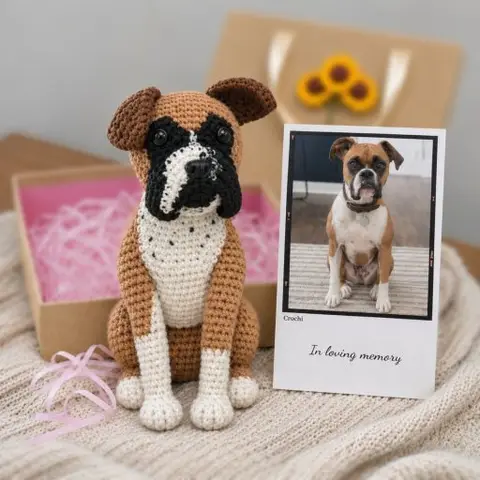
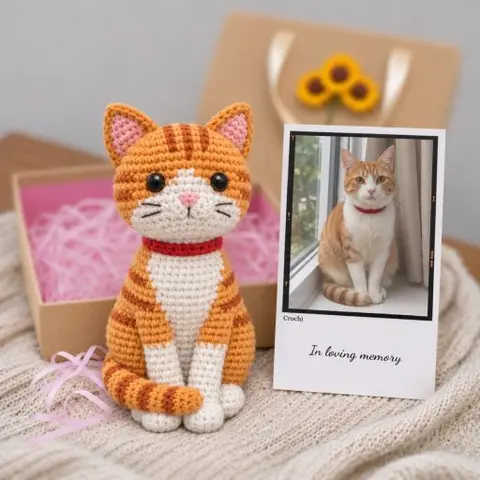
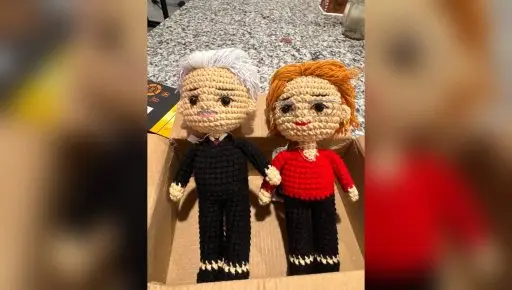
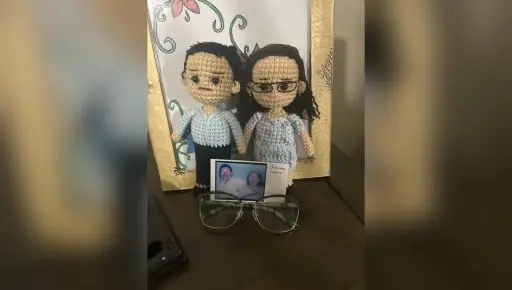
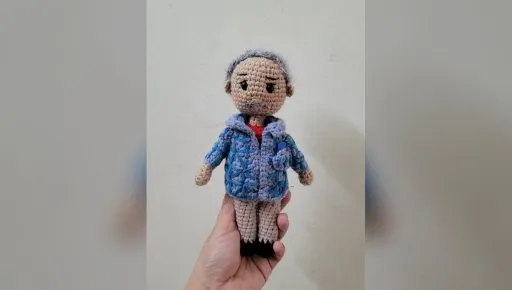
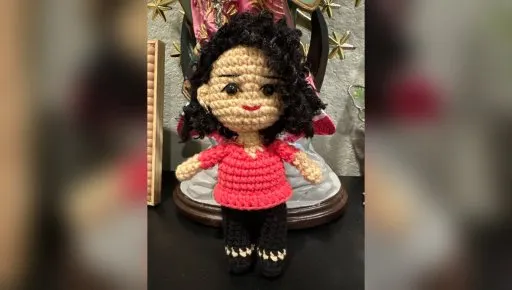
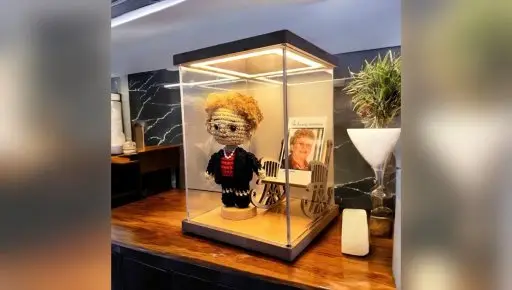
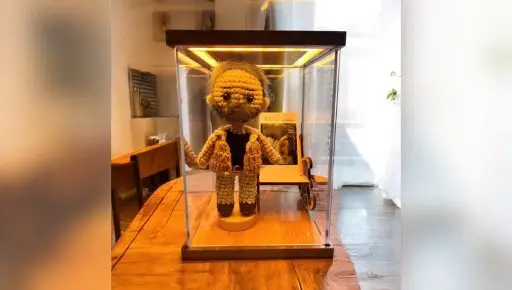
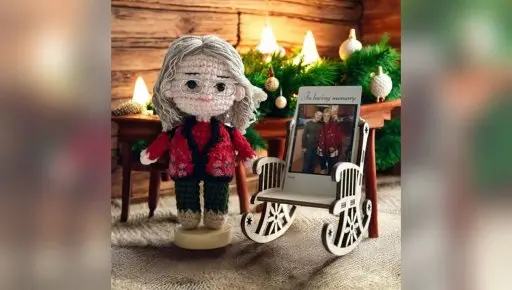
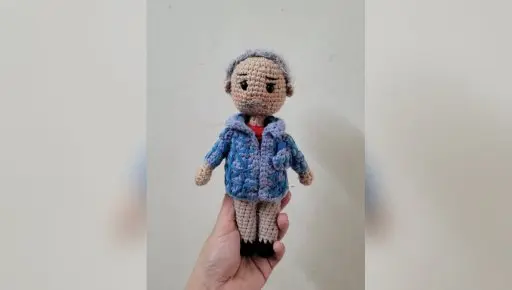
If you'd like something to sit beside the fur, Crochi makes handmade crochet dolls from your photo, including a crochet dog or crochet cat made to look like yours, with their markings, ears and collar. Each one comes with a free preview photo before it ships, so you can ask for a change first. There are more ideas in our pet memorial gifts. Here's how to choose photos that show their true fur colors, even if all you have are a few old ones.
There's no right way or right time to do any of this. Keep what feels right, when it feels right. Take good care.