How to Help My Dog Grieve the Loss of Another Dog
 By Pham PhamNovember 07, 2026
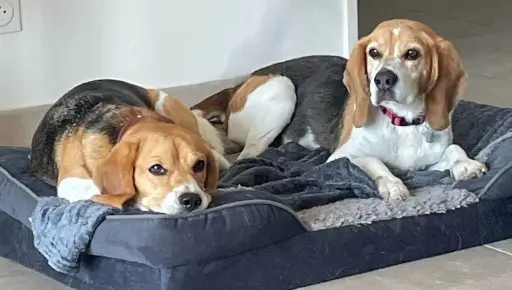
Table of contents
Your dog still walks to the spot by the back door at dinnertime and waits for the other one to come running. The house is quieter for both of you now. Maybe you typed the question late at night, with your dog asleep at your feet: how to help my dog grieve the loss of another dog.
Helping a dog grieve the loss of another dog mostly means keeping their days steady and staying close. Keep meals, walks and bedtime at the usual times, offer calm attention and gentle activity, and give the adjustment time. If your dog stops eating or drinking, or a change in behavior doesn't ease, call your vet.
Updated November 2026
1. Do dogs grieve the loss of another dog?
Many dogs do show real changes after losing a companion dog. Veterinary groups describe surviving pets who seek more attention, seem anxious or withdrawn, or change how they eat, play and sleep. You're not imagining what you see.
Research points the same way. In a 2022 study published in Scientific Reports, researchers surveyed 426 owners in Italy who had lost one of their dogs while another was still at home. About 86 percent said the surviving dog changed for the worse afterward: 67 percent sought more attention, 57 percent played less, 46 percent were less active, 35 percent slept more, 35 percent seemed more fearful, 32 percent ate less and 30 percent vocalized more. For about a quarter of the dogs that changed, the changes lasted longer than six months. Dogs who had been close friends or had shared food were more likely to change, and some changes were more likely when the owner was grieving deeply too.
The pet loss support team at Cornell's veterinary college notes that a surviving pet's changes may also reflect the changes in the household itself: different emotions in the room, a different daily routine. A dog who lost a companion has lost a playmate, a sleeping partner and the shape of an ordinary day, all at once.
Watching your dog grieve can be hard when you're grieving too. If you find yourself crying next to your dog on the kitchen floor, you're not doing anything wrong. Two of you are missing the same one, in your own ways.
2. What are the signs a dog is grieving another dog?
The most common signs a dog is grieving another dog are changes in appetite, sleep, play and closeness to you. Cornell's team and Humane World for Animals both list changes like these:
- Seeking you out more. Following you room to room, leaning against your legs, wanting to be touched more than usual.
- Seeming anxious or withdrawn. Hiding, sleeping somewhere new, or showing less interest in walks and toys.
- Reacting more to sounds. Jumping up at the doorbell, a car in the driveway or footsteps in the hall.
- Changes in eating, playing and sleeping. Leaving food in the bowl, ignoring a favorite toy, or restless nights.
- Whimpering, or refusing to eat or drink. Humane World notes these are more likely when the two dogs were closely bonded.
- Restless, destructive or snappy moments. Some dogs chew things they never touched before, panic when they're left alone, or grumble at people or other pets. These changes often come from stress and a routine that suddenly fell apart, not from bad manners, and they're worth mentioning to your vet if they don't ease.
In pet loss support groups, people with more than one dog often describe the same quiet scenes. The dog left behind checks every room. Some wait at the door at the time the other one used to come in from the yard. Some lie in their friend's bed and won't leave it. Others go to the groomer or the vet alone for the first time and seem lost without their shadow.
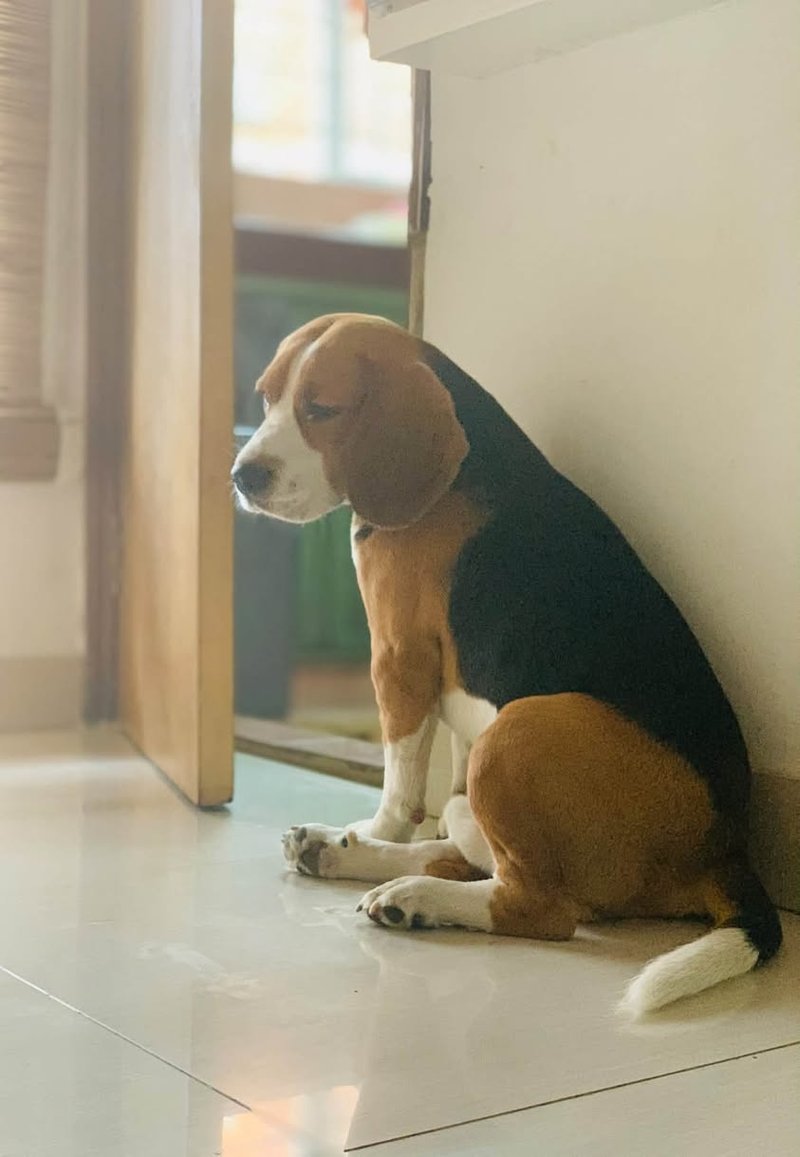
None of these signs means you failed your dog. They mean the bond between your two dogs was real, and that the one who's still here is feeling the gap the way dogs do.
3. How to help my dog grieve the loss of another dog, step by step
To help your dog grieve the loss of another dog, keep the routine predictable, stay calm and close, and fill the empty parts of the day with gentle activity. Cornell's team suggests exercise, food toys and positive reinforcement training, along with patience. Here's what that can look like at home:
- Keep the daily routine as steady as you can. Feed at the same times, walk at the same times, and keep bedtime the same. Both Cornell and Humane World point to a normal routine as one of the most helpful things you can offer. If your other dog used to wake everyone at six, it's okay to keep getting up at six for a while.
- Be a calm, steady presence. Cornell's team says you can comfort your dog while staying calm and steady yourself. Sit on the floor together, keep your voice soft, and let your dog lean on you. You don't have to hide your tears. Because a surviving dog's changes can reflect the emotions in the household, the goal isn't to look fine, just to come back to a calm tone when you can. Sitting together quietly is comfort for both of you.
- Go for short, easy walks. Gentle exercise gives your dog something to do with restless energy. If the old route feels hard for either of you, you're allowed to try a new street for a while.
- Use a food toy at mealtimes. A puzzle feeder or a toy you fill with kibble turns a quiet meal into a small task. A dog who has been leaving food in the bowl may find eating easier when there's something to work on.
- Try five minutes of reward-based training. Practice an old trick like "sit" or "touch", or teach something new with small treats. Short sessions give your dog a reason to engage with you, and they give you a few minutes to think about something else.
- Reward calm moments. Comfort your dog when they come to you, and save treats and praise for the times they're settled, lying quietly or resting in their bed. If your dog is whining or howling at the door, a quiet word and a hand on their back help more than a treat, because a treat in that moment can teach them that howling brings food.
- When you have to leave the house, plan for it. A dog used to company may be spending hours alone for the first time. A food-stuffed toy or a few treats hidden around the room gives them something to do after you go, and a midday walk from a friend, neighbor or dog walker, or a pet sitter for longer days, can break up the quiet.
- Leave the shared things where they are, if you like. There's no rule about the other dog's bed, blanket or toys. Some families leave the bed in its corner for weeks because the surviving dog sleeps in it. Others put things away a little at a time. Either choice is okay.
- Add a little extra time together. A slow brushing session in the evening, a car ride to the park, ten minutes on the couch before bed. Small, ordinary time counts.
- Look after yourself too. Because a dog can be affected by changes in the household's emotions, caring for yourself is also caring for your dog. Eat, rest, and let someone help.
Cornell's team adds a reminder worth keeping close: it may take weeks to months for things to feel back to normal. You don't need to measure progress day by day. A good afternoon followed by a hard evening is part of it, for your dog and for you.
If none of these steps fits your dog, that's okay. You know your dog better than any list does. Take what helps, and leave the rest.
4. How to help your dog mourn when they were never apart
If your dogs did everything together, help your dog mourn by gently easing them through each "first" on their own: the first walk, the first car ride, the first vet visit without their companion. Go slowly, stay close, and bring familiar comforts along.
Bonded pairs often had small shared habits that suddenly have nowhere to go. One dog may have always walked a step behind the other. One may have barked at the mail carrier while the other watched. When the leader is gone, the follower may not know what to do at the gate. Walking beside your dog, and letting them stop and sniff as long as they like, can make the first outings feel less strange.
Many people ask how to help my dog grieve my other dog when the second dog was the older, calmer one who set the tone for the house. In that case, you may be stepping into the role your older dog used to play: the steady one in the room. You don't have to get it right every time. Showing up at the same times, in the same calm way, is enough.
For a first visit to the groomer or the vet alone, it can help to bring the blanket your dogs shared, book a quieter time of day, and stay nearby if the clinic allows it. A familiar smell and a familiar voice go a long way in a new situation.
5. When should you call the vet about a grieving dog?
Call your vet about a grieving dog if your dog isn't eating or drinking, has changes in urination or bowel movements, has accidents in the house, or shows any change that doesn't ease. Cornell's team is clear that a persistent change in behavior deserves a physical exam, and that you shouldn't assume a change is caused by grief.
Here is what to do for each thing you might notice:
- Not eating or not drinking: call your vet promptly.
- Changes in urination or bowel movements, including accidents in the house: call your vet promptly.
- Any change in behavior that keeps going instead of easing: book a physical exam.
- More clingy, quieter, or sleeping more, but still eating, drinking and going outside as usual: keep the routine steady, stay close, and watch for changes.
Grief and illness can look alike from the outside, and a dog can't tell you which one it is. A vet visit is not an overreaction. If both dogs were older, or if the dog you lost was ill, it's natural to worry, and asking your vet to check is a kind thing to do for both of you.
If your dog is healthy but still struggling after a few weeks, your vet has more ways to help. Depending on your dog, a vet may suggest a calming pheromone diffuser, a short course of anti-anxiety medication, or a referral to a veterinary behaviorist for a plan built around your dog. Needing that kind of help doesn't mean you've done something wrong. It's another kind of support, the same way you might lean on a friend or a counselor.
You're grieving too. Cornell's veterinary college also runs a pet loss support hotline for people, answered by veterinary student volunteers trained to listen to grieving callers. Hours vary by season, so check the hotline page before you call. There are other places to talk as well, and this list of pet loss support hotlines and groups gathers several you can reach from home. If you were the one who had to make the decision at the end and it keeps coming back to you, this gentle letter about guilt after putting a dog down may help.
6. Should you get another dog to help your dog grieve?
You don't have to get another dog to help your dog grieve, and there's no need to decide soon. Humane World for Animals cautions that rushing the decision isn't fair to you or to a new pet, and that a new animal can't replace the one you lost.
A new dog also needs time to settle in, and that adjustment can be harder in a house that's still grieving. Humane World's advice is simple: you'll know when the time is right after giving yourself time to grieve.
Some families welcome a new dog within months, some wait years, and some decide one dog is right for now. If a friend asks when you're getting "another one", it's okay to say you're not ready to think about it yet.
7. Keeping the dog you lost close, for both of you
Keeping the dog you lost close can be as simple as saying their name out loud on your walks, keeping their collar on the hook by the door, or leaving their favorite toy in the basket. Your surviving dog doesn't need a ritual, but you might.
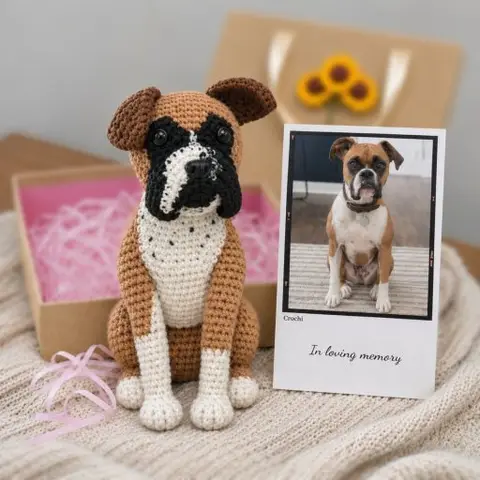
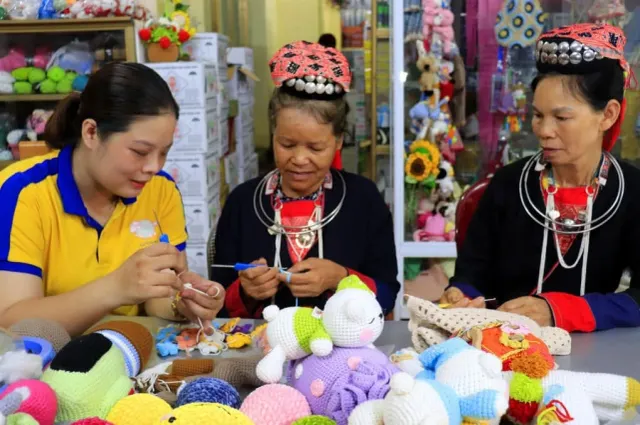
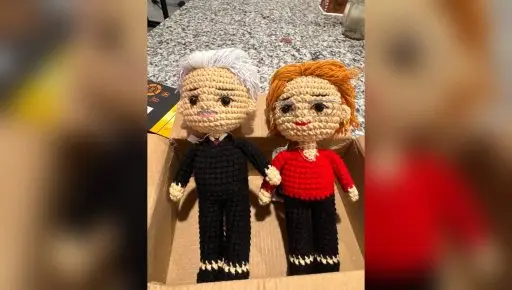
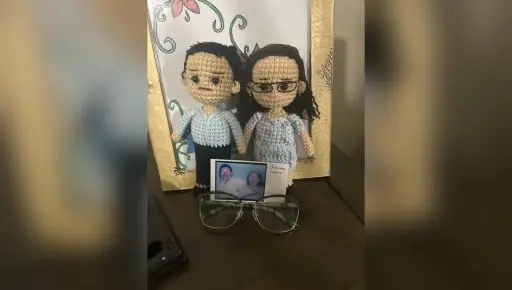
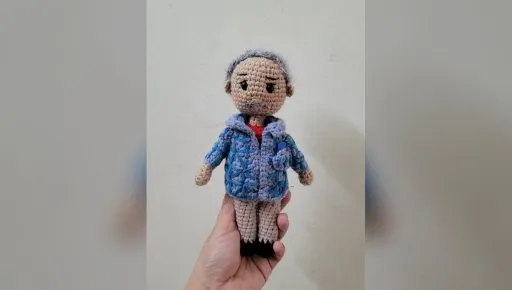
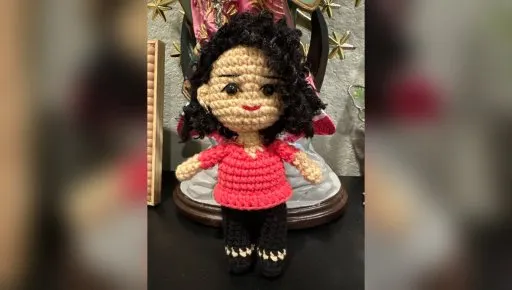
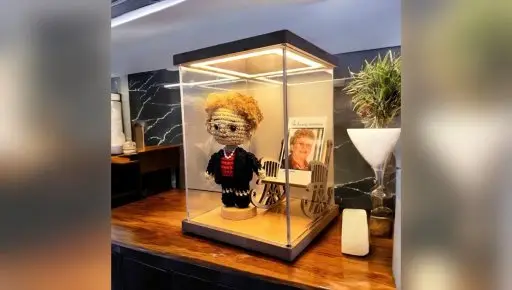
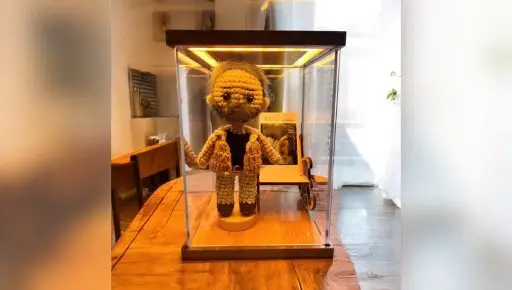
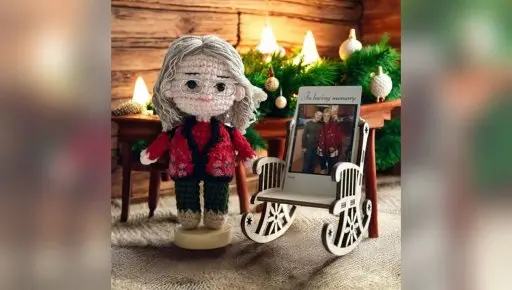
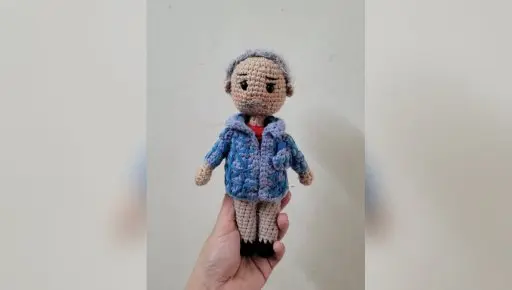
Some people want something to hold on the hard evenings, often placed in the spot where the other dog used to sleep. If you'd like that, Crochi makes handmade crochet dolls from your photo, including a crochet dog made to look like the one you miss. In the notes you can tell the artist how they liked to curl up or which collar they wore. You'll get a free preview photo of the finished dog before it's sent, and if something isn't quite them, we'll change it once for free. Making takes about 10 to 13 days, plus a day or two for you to check the preview, and shipping takes 7 to 12 more. If you're not ready for a reminder yet, that's okay. The photos will wait.
If the holidays are coming, here are a few gentle thoughts on a first Christmas without your dog. And if you're here because a friend lost a dog, this guide on what to give someone who lost their dog may help, along with ideas for what to write in a pet sympathy card.
8. Questions people often ask
8.1 Should I let my dog see the other dog's body?
There's no firm rule. Some families let the surviving dog sniff and spend a quiet moment with their companion, especially when the goodbye happens at home. If that moment didn't happen, perhaps because the end came at the clinic, you didn't make a mistake.
8.2 How long until my grieving dog eats normally again?
Don't wait it out if your dog is not eating or drinking. Cornell's pet loss team advises calling your vet promptly in that case. Eating a little less while still eating is different. Steady mealtimes and a food toy may help, and so can small comforts: hand-feeding a few pieces, warming wet food slightly, or adding a little warm water to dry kibble so it smells stronger.
8.3 Should I wash or put away the other dog's bed and toys?
Only when you're ready. Some surviving dogs choose to sleep in the bed or on the blanket they shared, so there's no need to rush. Some people wash one blanket and keep another unwashed for a while.
8.4 Should I let my grieving dog sleep in my bed?
You can, if it works for both of you. A dog who always slept beside another dog may settle better close to someone. If you'd rather not start a habit you don't want long term, moving your dog's bed next to yours, with the blanket the two dogs shared, can give much of the same comfort.
Your dog doesn't need you to be fine. Your dog needs you nearby, at the usual times, in the usual places. If you can offer that, even on the hard days, you're already helping. Take good care.