When the Guilt After Putting Your Dog Down Won't Let Go
 By Pham PhamNovember 07, 2026
Table of contents
It's late, the house is quiet, and the same question comes back again: did I make the right decision? Maybe you typed "guilt after putting dog down" into a search bar because you couldn't quite say it out loud to anyone.
Guilt after putting a dog down is one of the most common feelings in pet loss, because you were the one who had to choose. Feeling guilty doesn't prove you chose wrong. Usually the guilt shows how seriously you took their life. You don't have to make it disappear. You can learn to carry it more gently.
Updated November 2026
Guilt after putting a dog down, and the empty bed at night
The dog bed is still in the corner. You haven't moved it, and you're not sure you can. At night you still shift your feet carefully under the blanket, so you won't kick someone who isn't there anymore.
Of course the guilt is loud right now. For years, you made every choice for your dog. What they ate, when they went out, which vet, which food when their stomach got older and pickier. The last choice was yours too, and it was the hardest one. When you've been responsible for someone's whole life, it makes sense to feel responsible for the end of it.
Guilt is often love looking for something it could have done.
The pet loss team at Cornell University's College of Veterinary Medicine lists guilt among the ordinary emotional responses to losing a pet, right next to sadness, anger and numbness. The same page describes the euthanasia decision as difficult for both the owner and the veterinarian. If it felt impossibly heavy, that's because it is heavy, even for the veterinarians who help families through it.
You're also far from the only one asking. When we read 71 posts about dogs in two public pet loss groups for our pet loss statistics, 24 of them, about a third, said the family had chosen euthanasia, and 8 said in plain words that they blamed themselves or kept asking what they could have done differently. Others simply asked how anyone learns to live with the guilt. Some ask in the first week. Some ask eight months later, when everyone else assumes they're fine. If the question keeps finding you, you're in good company.
And if it wasn't a dog, if it was a cat who slept on your chest or an old rabbit who knew the sound of the fridge, guilt after putting a pet down follows the same paths. The questions are the same. So is the love underneath them.
The last day you keep going back to
Your mind may keep returning to the final day. The car ride. The blanket you brought. Their weight in your arms. The small sounds in the room. It can feel like a film that plays whenever things get quiet.
Replaying the last day is something many people do after a goodbye like this. Humane World for Animals gently suggests trying not to replay those final moments, especially if they were hard, and turning instead toward the life you shared. It also says something worth reading slowly: your pet's pain has passed, and you are the one in pain now, so you need care too.
Turning toward the life you shared doesn't mean pushing the memory away. It just means the last day doesn't get to be the whole story. Your dog had thousands of ordinary days with you. Muddy paws on the kitchen floor. The face they made at the mail carrier. The sigh when they finally settled for the night. Those days count too, and there were far more of them.
Did I do it too soon, or wait too long?
You made the choice with what you knew that day, and that is all anyone can do. Two questions tend to follow the decision. "Did I do it too soon?" and "Did I wait too long?" Strangely, the same person often asks both, sometimes in the same hour.
If you're asking whether you did it too soon, you may be remembering a good moment near the end. A tail wag at breakfast. Interest in a bit of chicken. Those moments were real, and they were precious. Good moments can still show up in the last days. A bright moment doesn't always mean the days around it were bright.
If you're asking whether you waited too long, you may be remembering the hard days instead. The stairs they couldn't manage. The nights neither of you slept. Wanting more time with someone you love isn't selfishness. It's one of the most human things there is.
There's something else worth knowing about the waiting. Dogs often keep wagging and greeting you even when they hurt. The Merck Veterinary Manual's guide for pet owners notes that some pets hide pain well, and that long-lasting pain is harder to notice than pain from a sudden injury. So by the time a family can clearly see that a dog is suffering, the illness may have been there for a while. Choosing a day may have spared your dog a harder ending, one you never had to watch.
Here's the honest part. Nobody can go back and tell you that the timing was exactly right, and nobody can tell you it was wrong. What you can know is this: you decided with the information you had that day, not the information you have now. Hindsight knows things you didn't know then. It isn't fair to judge yesterday's choice with today's knowledge.
For some families, the hardest part is money. Maybe there was a surgery, a specialist or another round of treatment you couldn't afford, and now it feels like you put a price on their life. Choosing what your family could truly manage is not loving them less. Almost everyone lives with limits, and caring for a dog as well as you could inside those limits is still caring for them well.
Maybe the thought that keeps you up is a different one: I missed the signs. The slower walks you put down to age. The skipped breakfast you thought was a picky day. Looking back, those moments seem full of meaning, but at the time they looked like any ordinary day, because most of the time that's exactly what they were. Noticing them now isn't proof that you failed. It shows how closely you're still looking at them.
If there are medical questions still circling, like whether a symptom meant what you thought it meant, it's okay to ask your vet. Cornell's pet loss page suggests your local veterinarian as the person to ask about the euthanasia process, and says they should be happy to answer. Sometimes hearing the facts once more, in a calmer moment, takes a little weight off.
Some people carry a different question: "Should I have stayed in the room?" Some stayed and can't stop seeing it. Some couldn't stay and feel they let their dog down. Both are common, and both come from love. A dog who spent years with you knew your voice, your hands and your smell long before that last day. One hour doesn't erase all of that.
And then there's the quietest question of all: will my dog forgive me? We can't know what a dog understands about that last day. What we do know is what they understood every other day: that you were their person, the one who fed them, walked them and came home to them. If there's anyone who needs forgiving, it may only be you, and you're allowed to start there.
How do you know it was the right time?
Most people never get a moment where it feels exactly right. Looking back, the signs are usually quieter: more bad days than good ones, a dog who no longer wanted the walk, the toy or the sunny spot they used to love, meals pushed away, nights of restless panting. If you saw some of those, you were reading your dog the way only you could.
Veterinarians use quality of life scales to put that picture into words. One of the best known is the HHHHHMM scale created by veterinary oncologist Dr. Alice Villalobos and published in Veterinary Practice News. It scores hurt, hunger, hydration, hygiene, happiness, mobility and whether there are more good days than bad, each from 0 to 10, and a total above 35 out of 70 is considered acceptable for comfort care. Some people find it steadying to go back through the scale with what they remember of the last weeks. You don't have to. A scale can't measure love. It only helps name the hard days you were already seeing.
If your dog's goodbye came because of behavior, after a bite or aggression that couldn't be made safe, the guilt can feel lonelier, because fewer people talk about it. That decision was still made out of care, for your dog and for the people around them, and it deserves the same gentleness.
Is it okay to feel relief, too?
Yes. Relief often sits right beside the guilt after putting your dog down, especially when they were sick for a long time. Here's a feeling people rarely admit: relief. If your dog was old or sick for a long time, life may have narrowed around their care. Pills hidden in cheese. Carrying them up the stairs. Waking at three to check their breathing. Washing the same blanket every other day.
When the caregiving ends, part of you may feel lighter, and then guilty for feeling lighter. That's allowed. Relief after a long stretch of caregiving doesn't mean you loved them less. It means you were tired, and you kept going anyway. You can miss them and still be glad they aren't struggling anymore. Both can be true at once.
Laughing for the first time after they're gone can bring its own guilt. So can the first good night's sleep, or the first walk you enjoy without them. None of those moments is a betrayal. They're signs that you're still here, and your dog spent years making sure you were okay.
Some people also notice that they feel worse about the words themselves. "Put down" sounds harsh. "Put to sleep" sounds almost too soft for what happened. Whichever words you use, the guilt after putting a dog to sleep usually sounds the same inside: I was the one who decided. That sentence is true. So is this one: you decided because they needed someone to, and you didn't look away.
Learning to carry it, a little at a time
Many people ask how others learned to live with the guilt. For most, the guilt doesn't vanish on a certain day. It slowly gets quieter and moves over to make room for other memories. Here are a few things people find helpful. Take what fits and leave the rest.
Some people write their dog a letter. Humane World for Animals mentions writing to your pet about all the things you'd like to say. The letter can include "I'm sorry" if you need to say it. It can also include "thank you," and the silly nicknames, and the time they stole a whole sandwich off the counter. Nobody else has to read it. It can go in a drawer, or in a box with the collar.
It can help to tell the whole story to someone who will listen. Not just the end, but the day they came home, the bad habits, the favorite spot in the yard. Saying the full story out loud reminds you that the last chapter isn't the only one.
Some people keep one small ritual. A candle on the same evening each week. A walk on the path the dog always pulled toward. A photo moved to the spot by the door where they used to wait. Small things like that give the love somewhere to go.
Saying your dog's name out loud again can help as well. After a hard goodbye, the name can feel tied to the guilt for a while. Using it at dinner, in a funny story, or when you pass their favorite spot on a walk gives the name back to the whole life, not only the last day.
If there's another dog at home, they may be missing their friend too, and looking after them can be a quiet comfort for you both. Here's a gentle guide on how to help a dog grieve the loss of another dog.
If the holidays are coming, they can bring the guilt back to the surface. This letter about a first Christmas without your dog may help when that time comes.
And some days, none of this will help, and you'll just be sad. That's okay too. There's no schedule for this, and there's no grade.
If the weight is too much to hold alone
You don't have to carry this by yourself. If the guilt is keeping you up night after night, or you can't stop going over it, talking to someone can help more than another night of searching for answers.
The Cornell University Pet Loss Support Hotline is one place to start. You can call 607-218-7457 and talk with trained volunteer veterinary students about your loss, including the decision. The hotline's hours change with the seasons, so Cornell asks callers to check the current hours on its page or by calling. Humane World for Animals also lists other pet loss support lines and groups on its own page. We've gathered a longer list of hotlines and support groups too, many of them free and easy to reach from home.
If the sadness ever turns into thoughts of hurting yourself, please reach out right away. In the US, you can call or text 988 to reach the 988 Suicide and Crisis Lifeline, which Cornell lists on the same pet loss page. A friend, a family member, a doctor or a counselor can also sit with you in this. Asking for help is not an overreaction. You've been through a real loss.
If you have a friend who is going through this instead, this guide on what to give someone who lost their dog may help you know how to show up.
Something to keep close
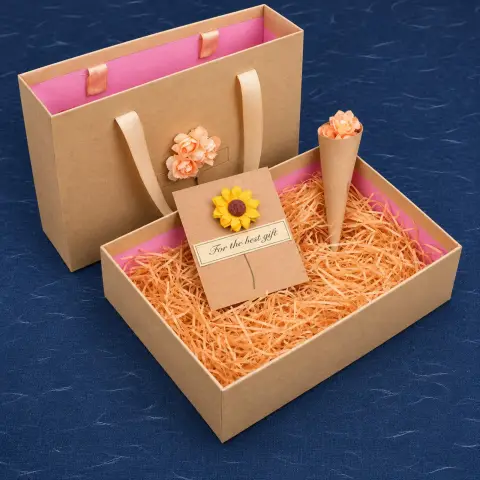
Some people find that having something to hold makes the evenings a little softer. A framed photo by the bed. The collar on a hook. A paw print the vet made. A small box for the tags.
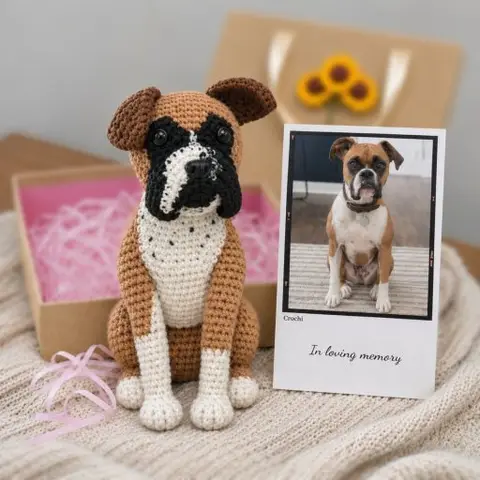
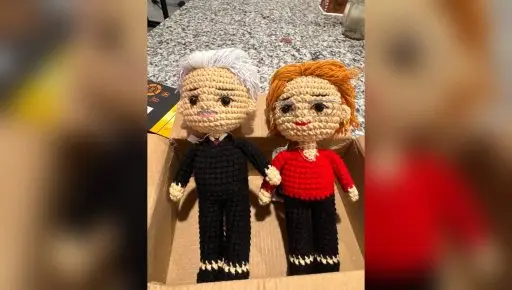
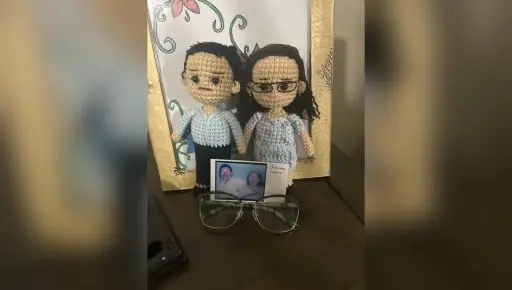
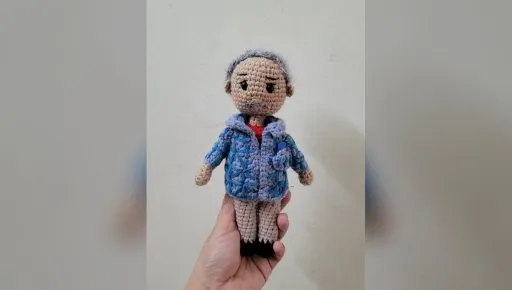
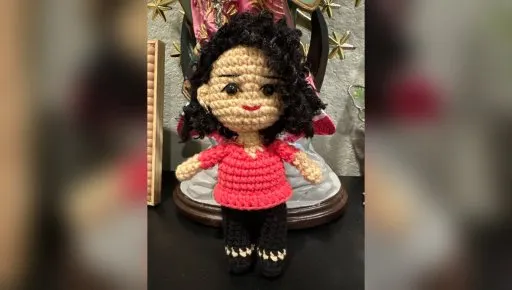
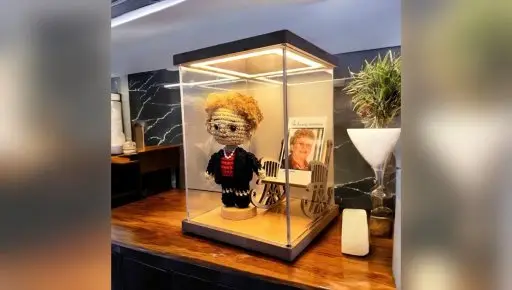
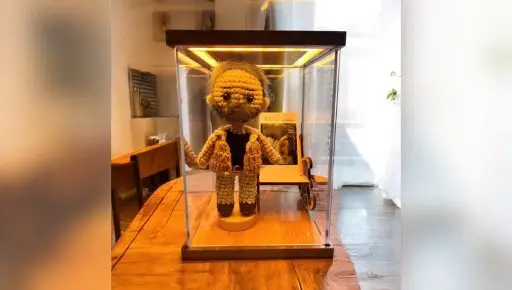
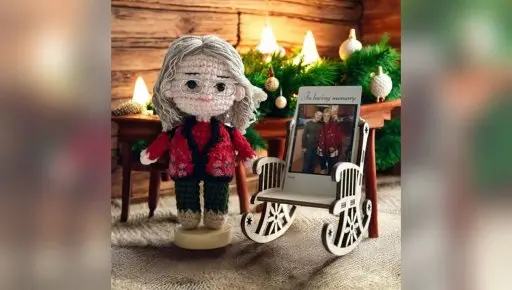
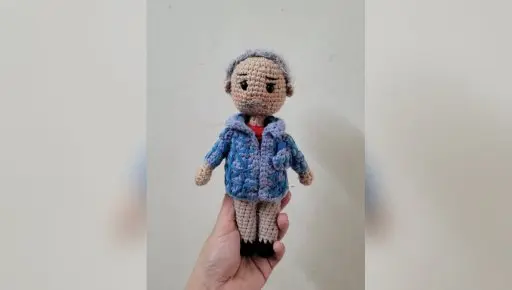
If you'd like something you can hold, Crochi makes handmade crochet dolls from your photo, dogs and cats included, made to look like them from the photos you send. Ordering one comes down to a few small steps:
- Pick a clear photo of them. One from the front and one from the side show the markings best, and you can send more by replying to your order email.
- In the notes for the artist, describe the things a photo can't show, like whether they liked to sit, stand or curl up.
- Type the words for the printed card, up to 80 characters, like "Thank you for every ordinary day, Max."
- Choose 6, 8 or 10 inches. Making one takes about 10 to 13 days, plus a day or two for you to look over a free preview photo and ask for a change if something isn't quite them.
A crochet keepsake won't take their place or settle the questions. It's one gentle way to keep them close. And if you're not ready for a reminder yet, that's okay. The photos will wait.
Wherever the guilt sits today, it doesn't erase the years of love that came before it. You looked after them for their whole life, and you carried the hardest decision for them. Be gentle with yourself tonight.
Take good care.